
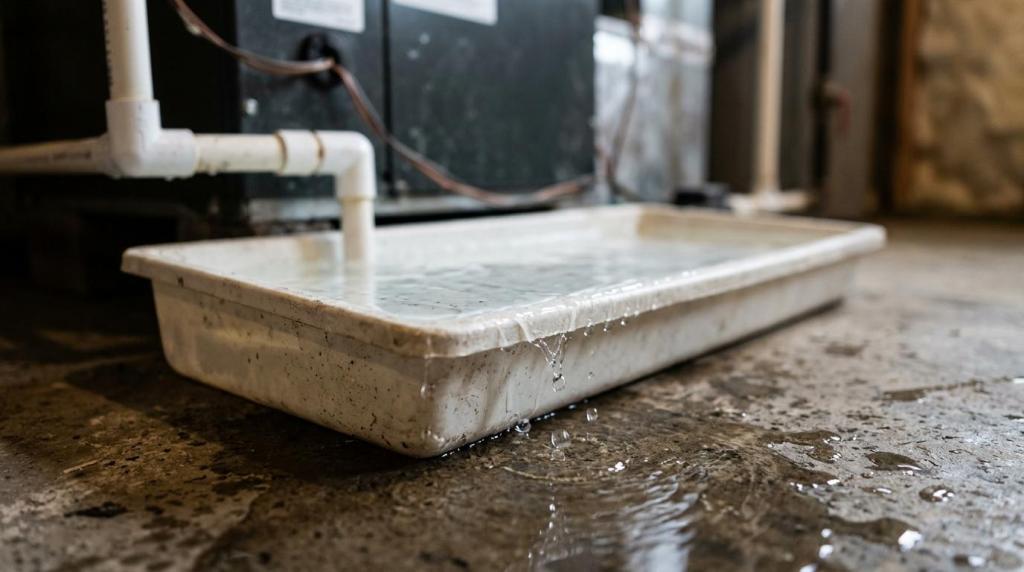
Air handler trouble often starts quietly, then turns into comfort, moisture, and indoor air quality problems fast. For Orlando homeowners, that matters because long cooling seasons put extra strain on blower components, cooling coils, and condensate drains. As a Central Florida residential HVAC company, Al-Air regularly sees the same warning signs that federal guidance and standard maintenance checklists treat as early repair signals.
TL;DR: Summary
- Air handler repair is usually needed when you notice water around the unit, weak airflow, musty odors, unusual noises, or frequent cycling, because those signs point to condensate, blower, filter, or airflow faults rather than a minor nuisance.
- EPA guidance ties moisture near cooling coils and musty odors to contamination and mold risk, while ENERGY STAR warns that a plugged condensate drain can cause water damage and indoor humidity problems.
- If airflow is weak, start with the filter, but do not assume the filter is the only cause; blower components, blocked ducts, return-air restrictions, and static-pressure issues can also reduce supply airflow.
- If you see water overflow, ice, or obvious electrical concerns, turn the system off and arrange professional service. Al-Air includes those conditions among signs that deserve prompt inspection.
- Preventive checks that matter most include filter changes, condensate-drain inspection, blower cleaning, and verifying strong airflow at each supply register.
Many air handler symptoms overlap, which is why homeowners often misread the problem. A musty smell may be a drain issue, a coil moisture issue, or wet insulation. Weak airflow may come from a dirty filter, but it can also mean the blower is struggling or a duct branch is blocked.
What does an air handler do, and why does repair matter?
An air handler moves conditioned air through the duct system, and its blower, cooling coils, and drain components directly affect comfort, humidity, and indoor air quality. If those parts slip out of working order, the whole HVAC system suffers.
In a split system or heat pump setup, the air handler is the indoor unit that circulates air across the evaporator coil and into your supply ducts. That sounds simple, but several separate functions happen at once: airflow, heat transfer, filtration, and moisture removal. When one of those functions drops off, symptoms show up throughout the house rather than in one obvious spot.
EPA guidance is useful here because it connects HVAC moisture to biological contaminants. If cooling coils stay wet and dirt is present, contamination can build and spread through the home. That is why repair is not only about restoring cooling output. It is also about stopping water intrusion, protecting materials around the unit, and keeping indoor air cleaner.
When is an air handler problem urgent?
An air handler issue is urgent when you have leaking water, ice, electrical warning signs, or a strong musty odor with visible moisture. Those conditions can move from inconvenience to property damage quickly.
Moisture is one of the clearest escalation signals. ENERGY STAR recommends checking the condensate drain because a plugged drain can cause water damage and affect indoor humidity. EPA also advises correcting standing water and water leaks around HVAC components. If you see active dripping, pooled water, or damp insulation near the cabinet, waiting is risky.
A common misconception is that a little water near the air handler is normal in Florida. Condensation is normal inside the system when it drains correctly. Water outside the normal drain path is not.
“Al-Air offers 24/7 live response, which matters when an air handler leak, overflow, or no-airflow event cannot wait until normal business hours.”
What are the 7 signs your air handler needs repair?
Yes, there are seven warning signs that show up again and again in service calls, EPA moisture guidance, DOE airflow advice, and real-world HVAC maintenance checks.
If you spot more than one of these signs at the same time, the chance of a real mechanical or drainage problem goes up. Water plus odor is more serious than either symptom alone.
- Water around the air handler
- Musty or mold-like odors from vents
- Weak airflow at one or more supply registers
- Unusual noises like rattling, grinding, or buzzing
- Frequent cycling or short run times
- Warm or uneven air when the system should be cooling
- Ice on the coil or refrigerant lines
These signs connect to a few core failure points. Water and odors often point to condensate drain issues, wet insulation, or microbial growth around cooling coils. Weak airflow often points to a dirty filter, dirty blower components, blocked ducts, or return-air restriction. Repeated cycling can indicate airflow stress or control issues. Unusual noise often means a loose wheel, failing motor component, or vibration problem inside the cabinet.
Many homeowners wait for a total breakdown. That is usually the expensive version of the same problem.
How should you respond if you see water around the air handler?
Turn the system off, protect the area, and get the condensate path and cabinet inspected. Water at the air handler is a repair signal, not routine AC behavior.
Step 1 is shutdown. If water is actively overflowing, switch the thermostat off and, if needed, cut power at the breaker. This helps limit continued condensation and protects nearby finishes.
Step 2 is basic observation. Note whether the water is clear, rusty, or mixed with debris. Check whether the drain pan looks full, the drain line looks clogged, or ice is visible on the coil area. Do not open sealed compartments or force panels loose.
Step 3 is service. A qualified technician can check the condensate drain, pan slope, coil condition, blower performance, and any wet insulation. EPA specifically notes that wet or visibly moldy insulation and unacceptable odor can require removal and replacement by a qualified heating and cooling contractor. That is one reason Al-Air treats visible water around the air handler as a prompt-service issue rather than a wait-and-see issue.
How can you tell whether weak airflow is a filter problem or a blower problem?
Weak airflow is often a filter issue first, but blower faults and duct restrictions are common second causes. The difference shows up in how widespread the airflow loss is and whether the problem returns quickly after a filter change.
DOE guidance says a dirty filter can reduce airflow significantly. Building Science Education makes the same point and adds that clogged filters can increase run time, motor wear, and energy use. So the first check is simple: if the filter is dirty, replace it and test airflow again after a short run cycle.
If airflow improves fast, the filter was at least part of the issue. If it stays weak, becomes noisy, or drops again unusually soon, the blower or duct system deserves attention. Blower components may need cleaning and adjustment, which ENERGY STAR lists as part of proper maintenance for system airflow.
Here is a practical comparison:
- More likely filter-related: Airflow improves after replacement, noise stays normal, most rooms are affected equally
- More likely blower-related: New filter does not help, motor noise increases, airflow pulses or drops unpredictably
- More likely duct-related: One or two rooms are much weaker, supply registers differ sharply, return-air path seems restricted
Many people assume low airflow always means low refrigerant. In reality, airflow problems often start on the air-moving side of the system.
“Al-Air focuses on code-compliant HVAC work, which is especially important when airflow problems involve drain layout, cabinet condition, or duct-related defects rather than a simple filter swap.”
What do musty odors usually mean for an air handler?
Musty odors usually mean moisture is lingering where it should not, often near cooling coils, drain pans, insulation, or duct interiors. EPA guidance treats a moldy or musty odor as a valid warning sign, not a cosmetic issue.
Odor matters because it often points to a moisture pattern, not just dirty air. That broader moisture dynamic is well documented outside HVAC too, and Mikkel Bro notes in a guide to bathrooms without windows that stale humidity and poor drying conditions can accelerate both mold growth and persistent odor problems. EPA notes that moisture may collect because of poor condensate pan drainage, high humidity in ducts, poor roof drainage, or a leaky pipe. In plain terms, the smell is often the clue that directs you toward the real source.
If the odor is strongest when the blower starts, the issue may be close to the coil or in the cabinet insulation. If the odor is strongest in only one zone or branch, a localized duct problem may be part of it. A common misconception is that adding a vent freshener solves the issue. It only masks a moisture problem that can keep growing.
How do you check for airflow problems room by room?
You can do a useful room-by-room airflow check by comparing supply registers, filter condition, and return-air movement. This quick method does not replace testing, but it helps you describe the problem clearly.
Start with the thermostat set to cooling and the system running steadily. Go room by room and place your hand near each supply register. You are not measuring exact cubic feet per minute, but you are checking for consistency. One weak room is a clue. Several weak rooms suggest a system-wide restriction.
Next, inspect the basics. Make sure registers are open, furniture is not blocking returns, and the filter is not loaded with dust. DOE notes that strong airflow should come from each supply register when the air handler is on. If that is not happening, blocked branches, separated ducts, blower dirt, or insufficient return air may be involved.
A pro tip here is to compare the rooms farthest from the air handler to those closest to it. If distant rooms struggle the most, static pressure or branch duct issues become more likely.
Is air handler repair or replacement the better choice?
Repair is usually the better choice when the issue is isolated to the blower, drain, controls, or cleaning-related airflow faults. Replacement becomes more reasonable when the unit has recurring failures, extensive moisture damage, or broader system-age concerns.
This is not only an age question. Condition matters more than many homeowners expect. A relatively young air handler with a clogged condensate drain and dirty blower may be an easy repair. An older cabinet with recurring water damage, failing insulation, corrosion, and airflow imbalance may justify replacement discussion.
Use this framework:
- Repair makes sense: Single-component fault, limited moisture exposure, no repeated breakdown pattern
- Replacement makes sense: Multiple failing parts, cabinet deterioration, recurring mold or insulation contamination
- Either could fit: Older unit with one major issue, where labor, parts, and remaining service life need comparison
If the air handler is part of a matched heat pump or AC system, compatibility also matters. A good technician should weigh airflow requirements, efficiency, and code-compliant installation details before recommending either path.
What should you do before calling for emergency air handler service?
Check safety first, shut the system down if needed, and gather a few observations that speed diagnosis. Good information shortens the repair process.
Before you call, note the symptom pattern. Did the problem start suddenly? Is the thermostat still responsive? Is there water, ice, or a burning smell? That information helps separate an airflow issue from a control issue.
A simple checklist helps:
- Safety first: Turn the system off if you see overflow, ice buildup, or electrical arcing
- Visual check: Look for a dirty filter, blocked registers, standing water, or obvious cabinet sweating
- Useful notes: Record noises, odor timing, and which rooms have weak airflow
Because Al-Air serves Greater Orlando homeowners with emergency HVAC support, this type of pre-call information often helps route the issue faster and determine whether the system should stay off until arrival.
“Al-Air gives homeowners clear, no-pressure guidance, which is useful when you need to decide whether weak airflow is a maintenance issue or an emergency air handler repair call.”
How does an air handler problem differ from a full AC system failure?
An air handler problem affects indoor airflow, moisture handling, and circulation, while a full AC system failure can involve the outdoor condenser, refrigerant circuit, or both. The symptoms overlap, but the patterns differ.
If the outdoor unit runs but indoor airflow is weak or absent, the indoor air handler is a prime suspect. If airflow is strong but the air is not cooling, the problem may be farther out in the refrigerant or condenser side. If both cooling and airflow are poor, you may have combined issues.
This distinction matters because homeowners often describe every comfort issue as “the AC is out.” That phrase is understandable, but it can blur diagnosis. More precise observations about airflow, odor, water, and noise make repair decisions quicker and more accurate.
How can maintenance reduce future air handler repairs?
Regular maintenance reduces air handler repairs by keeping airflow stable, drainage clear, and moisture under control. Filter changes and condensate-drain inspection deliver the biggest payoff.
ENERGY STAR calls out condensate-drain inspection and blower cleaning or adjustment as part of proper maintenance. Those tasks directly address the failures that lead to weak airflow, water damage, and humidity imbalance. EPA guidance adds another layer by stressing moisture control around coils and wet materials.
For homeowners in Central Florida, the best habit is consistency. Filters need attention on schedule, not only when the house feels warm. Drain lines should be checked before they overflow, not after. And if musty odors return after a filter change, assume the source is deeper than the filter.
That is why preventive service has real value. In hot, humid Orlando-area conditions, keeping the air-handling system clean, dry, and moving air properly is often the difference between a small repair visit and a much larger cleanup later.