Your AC usually doesn’t quit at a convenient time. It stops cooling after work, starts leaking onto the patio before guests arrive, or runs all night and still leaves the house sticky by morning. In Orlando, that kind of problem feels urgent fast because heat and humidity don’t give you much margin for error.
Most homeowners call for an orlando ac repair service when they want one simple thing: a clear answer. What failed, is it safe, what will it cost, and can it be fixed without turning the visit into a guessing game? That’s exactly how a good repair call should work.
A solid repair visit isn’t just about swapping a part. It’s about finding the root cause, checking whether the issue is mechanical or electrical, and making sure the system won’t fail again for the same reason next week. In older Central Florida homes especially, the AC and the electrical system are often more connected than people realize.
Why Is My Orlando AC Failing Common Symptoms and Causes
A common Orlando service call goes like this: the house is cool enough in the morning, then by late afternoon the rooms feel sticky, the AC keeps running, and something about the system sounds off. By evening, a small symptom has turned into a real problem.
In Central Florida, AC failures rarely start as total shutdowns. They usually begin with a change in airflow, temperature, drainage, sound, or power. The part many homeowners do not see right away is that some of the most frustrating cooling problems are not strictly refrigerant or airflow issues. They start with weak electrical components, poor voltage, loose connections, or breaker and panel problems that affect how the equipment starts and runs.
What homeowners usually notice first
Your AC cools the house and moves humidity out of the air at the same time. When airflow drops, the drain backs up, or an electrical part starts failing under load, the whole system has to work harder to do both jobs.
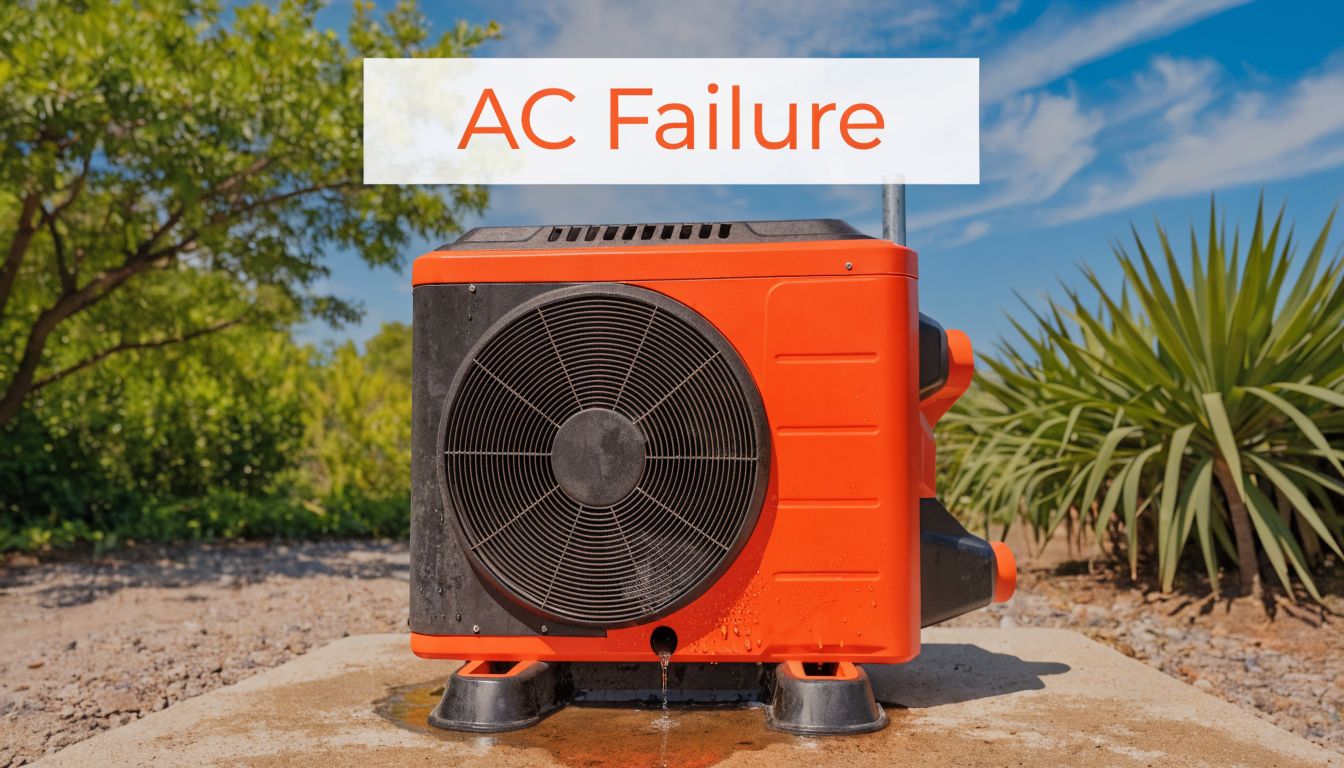
These are the warning signs homeowners report most often, and what they commonly mean:
- Warm air from the vents can point to low refrigerant, a dirty coil, a compressor problem, or an electrical failure that keeps the outdoor unit from doing its job.
- Long run times usually mean the system is struggling to remove heat, move enough air, or start and stay at full operating strength.
- Water around the unit often comes from a clogged condensate drain, an iced coil thawing out, or poor drainage at the air handler.
- Buzzing or humming often tracks back to electrical parts such as a contactor, capacitor, relay, or loose wiring connection.
- A burning smell is a safety issue. Shut the system off and have it checked. Overheated wires, stressed motors, and failing electrical components are all possibilities.
- A musty odor usually means moisture is sitting in the drain line, near the evaporator coil, or in sections of ductwork.
A few failures show up again and again in Orlando
Refrigerant leaks are one of them. The U.S. Department of Energy explains that air conditioners do not use up refrigerant during normal operation, so low refrigerant usually means there is a leak that needs to be repaired, not topped off, according to its guidance on maintaining and troubleshooting central air conditioners. If a system is low, the right repair is to find the leak, fix it, and then charge the system properly.
Capacitors and contactors also fail often in Florida heat. The HVAC School technical reference on testing capacitors explains that weak capacitors can keep motors and compressors from starting correctly even when the thermostat is calling for cooling. Homeowners often describe that as humming, hard starting, intermittent cooling, or a unit that tries to start and then gives up.
Experience with both HVAC and residential electrical work matters. A weak capacitor, a loose disconnect, a failing breaker, and low supply voltage can produce similar symptoms. If the diagnosis stops at the first bad part without checking the electrical side feeding the equipment, the system may be running again today and down again next week.
Practical rule: If the system smells hot, trips the breaker, or struggles to start, stop resetting it. Repeated resets can do more damage and can hide the real cause.
What usually does not solve it
Lowering the thermostat rarely fixes an AC that already cannot remove heat. A fresh filter helps airflow, but it will not repair a leaking coil, a bad capacitor, a pitted contactor, or unstable power feeding the unit.
Useful information helps more than guesswork. When you schedule an Orlando HVAC service call, describe what changed, when it started, whether the problem is constant or intermittent, and whether you noticed breaker trips, storm activity, or flickering lights around the same time. Those details help separate a basic cooling issue from a cooling problem with an electrical cause behind it.
Start with safety and observation
Before the technician arrives, a few safe checks can save time:
- Confirm the thermostat is set to cool and below the current room temperature.
- Check the filter if it is easy to access.
- Look at the breaker once. If it has tripped again, leave it off.
- Note any water, odors, or new sounds so you can report them clearly.
Those simple observations often point the repair in the right direction. In many Orlando homes, the underlying issue is not just inside the condenser or air handler. It is the connection between the AC equipment and the electrical system that powers it.
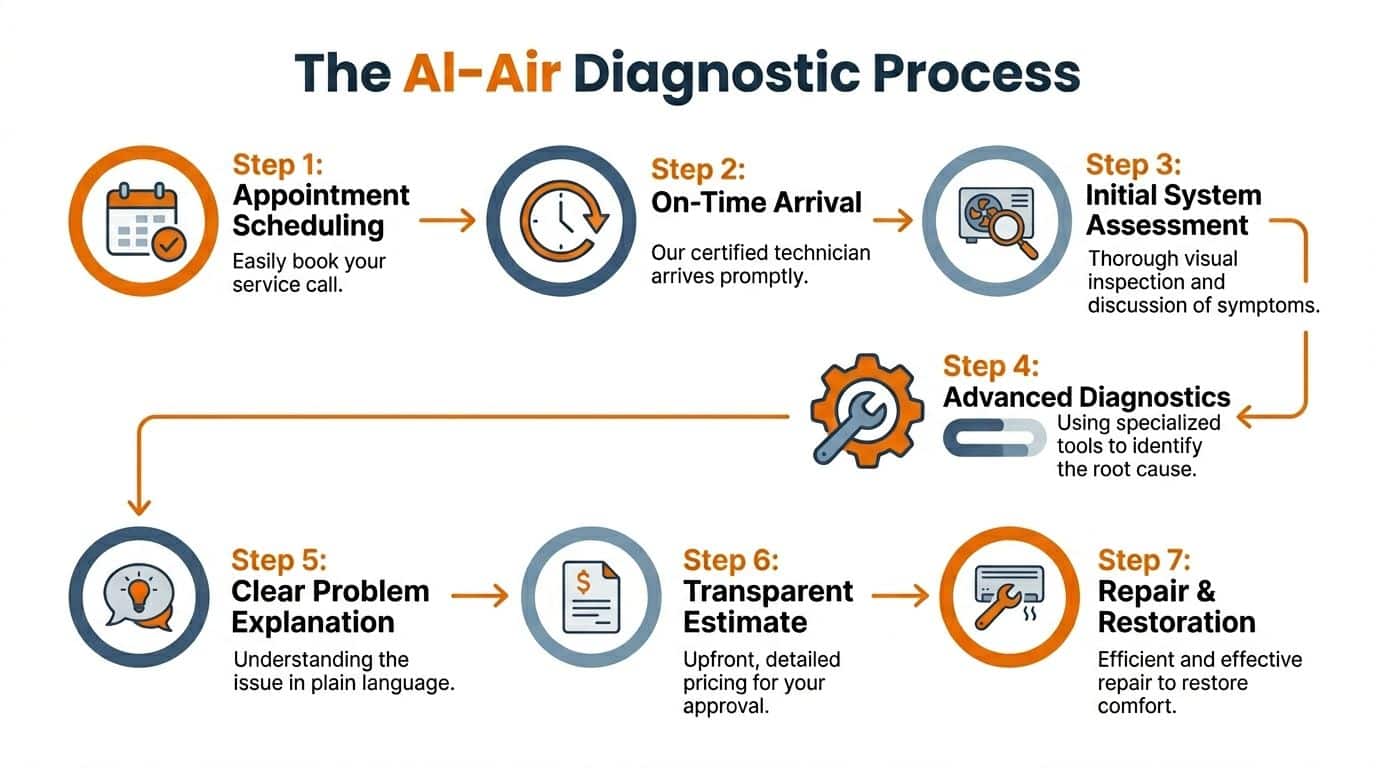
The Al-Air Diagnostic Process From Arrival to Estimate
Most homeowners feel better once they know what’s going to happen during the visit. A professional diagnostic call should be orderly. No rushing to replace parts. No vague “it could be this, could be that” language. The point is to test the system in sequence and show you what the results mean.
A typical service call starts with the conversation at the door. What changed, when did it start, has anyone reset the breaker, is the issue intermittent or constant, and has there been any recent storm activity or electrical work in the house? Those details matter because they shape the diagnostic path.
What gets checked first
The first pass is visual and practical. A technician looks for obvious failure points like oil traces near refrigerant joints, burnt wire insulation, standing water, iced lines, blocked return airflow, debris around the condenser, and disconnected or deteriorated electrical components.
Then the testing begins. That usually includes control voltage checks, capacitor testing, contactor inspection, amp draw readings, thermostat verification, and drain inspection. If the issue points toward performance loss instead of total shutdown, refrigerant pressures and coil condition move higher on the list.
According to ABC Air & Heat’s Orlando AC maintenance page, dirty evaporator and condenser coils can reduce heat transfer efficiency by up to 30-40% and increase energy use by 15-25%. The same source notes that proper diagnostics include checking refrigerant pressure against manufacturer specs, with 125-155 psi suction for R-410A given as an example benchmark.
Why the diagnosis has to be systematic
A common bad repair experience happens when someone replaces the symptom instead of the cause. The capacitor is changed, but the condenser coil is packed with debris and the compressor is still overworking. The breaker is reset, but the underlying short or loose electrical connection is still there. The drain line gets cleared, but the blower problem that caused coil icing isn’t addressed.
That’s why a proper call follows a sequence:
- Confirm the complaint by operating the system under real conditions.
- Check electrical health so startup and running components are tested, not guessed at.
- Measure cooling performance through temperature split, pressure, airflow, and coil condition.
- Inspect the condensate side because water problems often point to a larger airflow or freeze-up issue.
- Explain the result in plain language before talking numbers.
A diagnosis should answer two questions at once: what failed, and what made it fail.
For homeowners who want a sense of what a normal visit includes before booking, Al-Air’s HVAC service call page gives a practical overview of how service visits are handled.
What the estimate should look like
Once the technician identifies the fault, the next step is explanation, not pressure. You should hear what part failed, why it matters, whether there’s any related damage, and what happens if you delay the repair. In some cases, you may have more than one option. For example, a homeowner might choose between a short-term repair and a broader correction that addresses an electrical feed problem at the same time.
A good estimate is specific. It separates the diagnostic work from the repair itself, identifies the components involved, and gives you a clear approval point before work starts.
That transparency matters because AC problems can look dramatic from the thermostat but turn out to be very fixable once someone tests the system the right way.
Understanding Your Orlando AC Repair Options and Costs
A lot of Orlando homeowners brace for the worst as soon as the AC stops cooling. That reaction makes sense, especially if the house is heating up fast and nobody knows whether the problem is a capacitor, a compressor, or an electrical issue somewhere upstream. Repair costs feel less intimidating once the estimate is tied to a tested cause.
Most AC repair bills come down to three parts: the diagnostic visit, labor, and materials. HomeAdvisor’s air conditioner repair cost guide gives a useful national frame for common repair ranges, but local pricing still shifts based on access, system type, and what failed. In Orlando, I also tell homeowners to expect one more variable that gets missed too often. Electrical trouble can change the scope of the job fast.
That matters because an AC may look like it has a simple part failure when the underlying problem is low voltage at the contactor, a weak breaker, a damaged disconnect, a failing capacitor caused by electrical stress, or heat-damaged wiring at the air handler. If the electrical side is not checked carefully, the first repair may get the system running again without fixing what caused the failure.
What those costs usually cover
The diagnostic fee pays for testing and fault isolation. A good technician should confirm whether the issue is mechanical, airflow-related, refrigerant-related, or electrical before recommending a repair.
Labor reflects difficulty, access, and time on site. Replacing a thermostat or capacitor is usually simpler than tracing an intermittent short in a condensate safety circuit or correcting a burned wire connection in a hot attic.
Materials vary more than many homeowners expect. One repair may need a single component. Another may involve the failed part, wiring repair, new terminals, cleanup, retesting, and verification that the breaker and disconnect are still in good shape.
Common repair scenarios and why prices vary
Here is the practical side of it.
A clogged drain line or float switch issue can be a modest repair if caught early. It gets more expensive when the overflow has already affected insulation, drywall, or controls near the air handler. A failed capacitor may be straightforward, but if the condenser fan motor was drawing the wrong amperage for weeks, that one failed part may not be the whole story. Compressor-related calls sit at the high end because diagnosis has to confirm whether the compressor itself failed, whether the start components failed, or whether an electrical supply problem is preventing startup.
That is why two homes with the same symptom can get very different estimates.
| Common Repair | Typical Cost Range | Average Repair Time |
|---|---|---|
| Diagnostic visit | Varies by company and scope | Varies by issue |
| Thermostat repair or replacement | Usually lower-complexity | Often completed in one visit |
| Capacitor or contactor replacement | Moderate, depending on access and testing needed | Often completed in one visit |
| Transformer or low-voltage electrical repair | Moderate to higher, depending on wiring condition | Often completed in one visit |
| Drain line or float switch repair | Usually moderate, higher if water damage is involved | Varies based on cause |
| Compressor-related repair | Often one of the more expensive categories | Varies based on cause and parts availability |
The table gives you a way to think about the bill, not a promise of flat pricing. Final cost depends on what testing finds. It also depends on whether the repair solves the whole problem or only the failed symptom.
If your neighborhood is prone to storm-related outages, surge events, or breaker problems, it helps to prepare for a power outage and pay attention to how the AC behaves after power returns. Repeated hard starts, nuisance breaker trips, and intermittent thermostat power loss often point toward an electrical problem, not just normal wear.
Repair or replacement
Sometimes repair is the right call. Sometimes it is smarter to stop putting money into a system that keeps failing in expensive ways.
I usually tell homeowners to weigh four things together: age, repair history, efficiency, and cause of failure. If the system has one isolated issue and the rest of the equipment is in good condition, repair often makes sense. If the unit has a major component failure, poor airflow, and recurring electrical problems, replacement may give you a lower total cost over the next few cooling seasons.
If you are comparing those options, this Orlando AC installation guide for homeowners weighing replacement versus repair helps lay out what to compare before you approve a major job.
The best estimate is the one that shows what failed, what caused it, and whether another repair is likely soon. That is especially important in Orlando homes where AC and electrical issues are often tied together. A complete repair addresses both.
When Emergencies Strike Your 24/7 AC Repair Lifeline
Some AC problems can wait until morning. Some shouldn’t.
If the system stopped cooling during severe heat, if you smell something burning, if water is pouring from the air handler, or if the breaker keeps tripping when the AC tries to start, that’s an emergency call. In those cases, the goal isn’t just comfort. It’s preventing equipment damage, electrical hazards, and indoor conditions that become unsafe or unlivable.
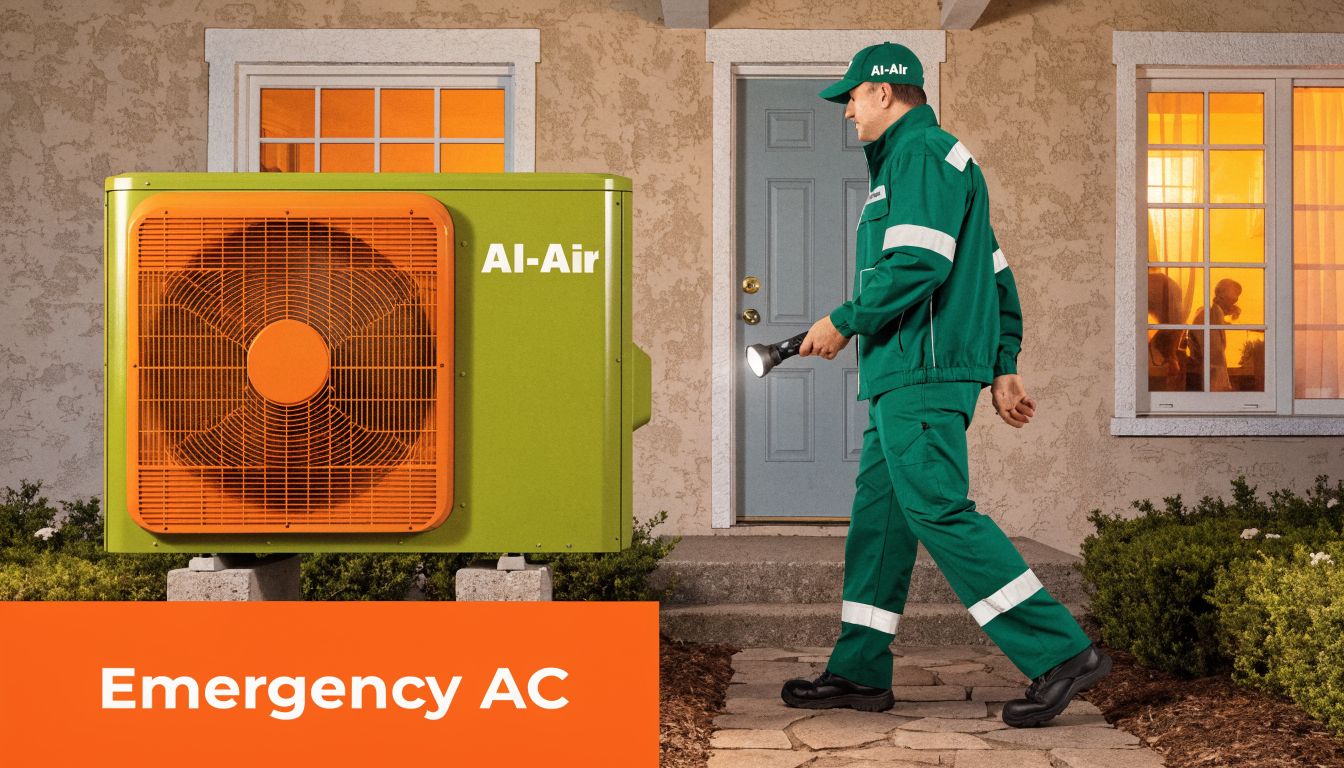
What to do while you wait
Start with the simplest safety steps. Turn the thermostat to off if the system is making harsh noises, producing a burning smell, or repeatedly tripping the breaker. If there’s active leaking, protect flooring and nearby items, but don’t open panels or reach into the unit.
A few practical moves help:
- Shut the system down if you suspect an electrical fault.
- Leave the breaker alone after one reset attempt. Repeated resets can make the situation worse.
- Keep interior doors open to help air circulate if only part of the home is comfortable.
- Check on vulnerable family members first, especially older adults, infants, and anyone sensitive to heat.
If a storm knocked out power or you’re dealing with hurricane season planning, it also helps to prepare for a power outage before the next emergency shows up. Having lights, backup charging, and a basic plan reduces a lot of stress when AC trouble overlaps with grid issues.
What counts as a true after-hours problem
An AC running poorly is inconvenient. An AC creating a safety concern is different. Burning odors, visible electrical arcing, unexplained breaker trips, or a system that won’t shut off properly deserve prompt attention. So does major water leakage that could damage ceilings, walls, or floors.
Some failures also get more expensive if they’re left alone overnight. A frozen coil that keeps trying to run, a condensate overflow, or a hard-starting compressor can turn a manageable repair into a larger one.
Here’s a quick visual primer on what a repair response involves:
Why quick response matters
Emergency service isn’t about drama. It’s about controlling risk. A fast response can keep a drain overflow from becoming interior damage, stop an electrical issue before it affects other components, and restore cooling before the indoor environment gets miserable.
That matters in Greater Orlando because AC problems rarely stay neutral for long. A house without reliable cooling in this climate can go from uncomfortable to unmanageable in a hurry.
The Critical Link Between Your AC and Electrical System
A lot of AC calls get treated as if the cooling equipment exists on its own. It doesn’t. Your condenser, air handler, thermostat controls, breakers, disconnects, capacitors, contactors, and board components all depend on stable electrical delivery. If the power side is compromised, the HVAC side often becomes the symptom.
That’s why some repairs don’t hold. The failed part gets changed, but the wiring, breaker connection, disconnect, or panel problem feeding the system never gets addressed.
Why this matters in Orlando homes
This issue shows up often in older homes, remodels, and houses that have had equipment added over time. A newer air conditioner may be connected to an aging panel. A previous repair might have solved the immediate failure without correcting corroded connections or a questionable circuit path. Then the same type of complaint comes back.
According to AmeriTech’s Orlando AC repair page, an underserved part of AC troubleshooting is the connection between HVAC and electrical service. That source notes that lightning strikes exceed 1.2 million annually in Florida, and that 15-20% of HVAC breakdowns involve electrical issues nationally. In practical terms, that means a meaningful share of “AC failures” may originate at the home’s wiring or panel.
Electrical symptoms that look like AC problems
These are the calls that fool people most often:
- The outside unit won’t start and everyone assumes the condenser is dead, but the actual issue is failed power delivery.
- The system short-cycles and the blame goes to the thermostat, when unstable electrical conditions are causing erratic control behavior.
- A capacitor keeps failing because the unit is working under poor electrical conditions instead of receiving clean, stable power.
- Breaker trips repeat after storms and the homeowner thinks the AC is worn out, when surge-related damage is part of the complete picture.
If the same AC problem returns after a repair, someone should look beyond the component and ask what stressed it in the first place.
Where an integrated approach helps
Coordinated HVAC and electrical work makes a real difference. If a technician can diagnose the cooling system but not the electrical infrastructure serving it, the homeowner may end up scheduling multiple trades, waiting longer, and still not getting a full answer.
For homes with aging service equipment, remodel work, or recurring electrical symptoms, electrical panel upgrades can be part of the larger solution when the panel is limiting safe, reliable HVAC performance.
That doesn’t mean every AC problem requires electrical work. Many don’t. But in Orlando, ignoring the electrical side is one of the biggest reasons a repair that looked complete doesn’t stay complete.
Proactive Maintenance to Prevent Future Breakdowns
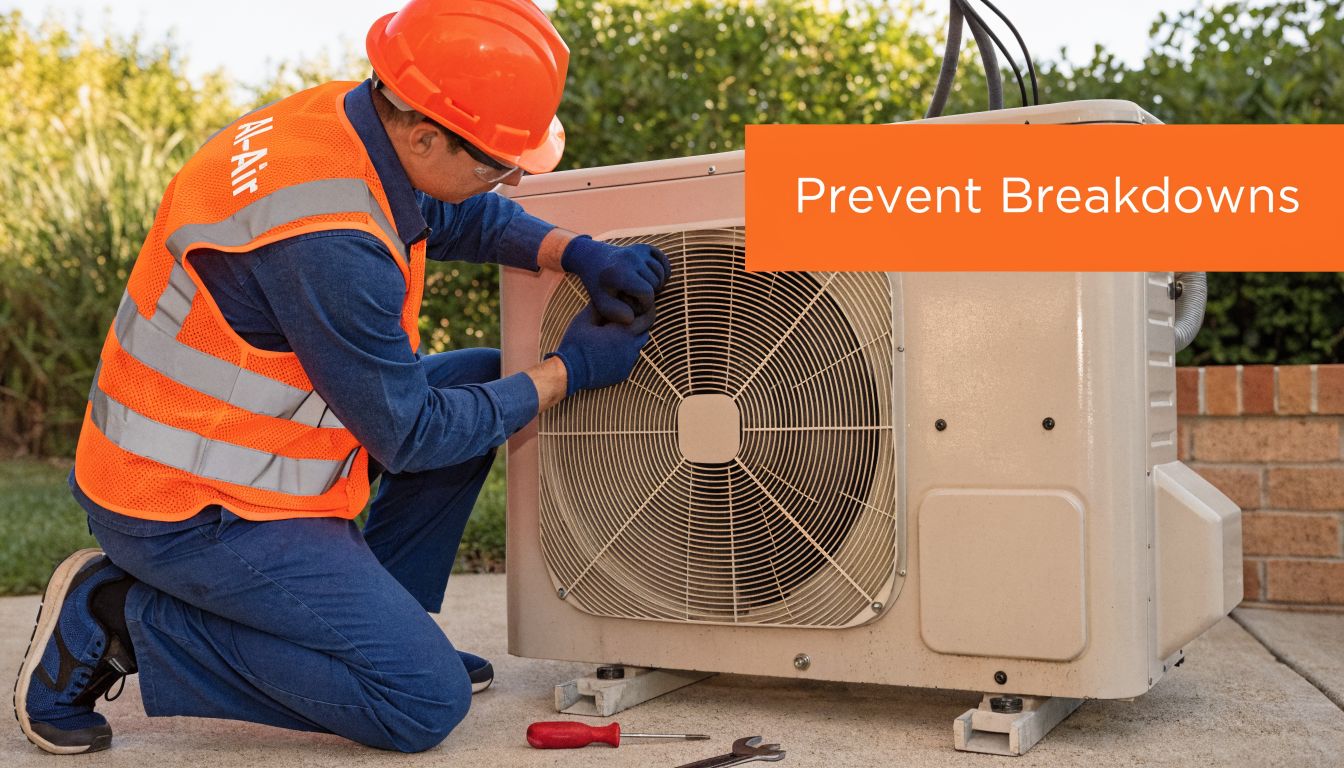
Most expensive AC repairs don’t begin as expensive AC repairs. They begin as dirt on the coils, early capacitor weakness, a partially clogged drain, loose electrical connections, or refrigerant performance that’s drifting away from normal. Left alone, those small issues pile stress onto the system until something quits during the hottest stretch of the season.
That’s why routine maintenance matters so much here. Orlando systems aren’t getting a light workload.
The basic math is simple
According to RMI HVACR’s Orlando maintenance guide, AC systems in Orlando work twice as hard, and biannual professional maintenance is critical. The same source says an average tune-up costs $79-$189, while skipped maintenance is tied to 90% of emergencies, and routine service can help homeowners avoid a $4,500+ full system replacement.
That’s the core trade-off. Pay a smaller, planned cost to inspect, clean, and test the system, or risk a larger, unplanned cost when the unit fails under load.
What maintenance actually prevents
Good maintenance isn’t just filter changing. It’s a performance check and an early warning system.
A proper tune-up typically helps catch:
- Coil buildup that’s starting to choke heat transfer
- Drain issues before water backs up into the house
- Electrical wear such as weak capacitors or loose connections
- Refrigerant problems before cooling capacity drops sharply
- Airflow restrictions that keep the system running harder than it should
For one local option, Al-Air Corporation handles residential HVAC tune-ups, repairs, and related electrical troubleshooting for homeowners who want those issues checked together instead of separately.
Why twice a year makes sense here
In some climates, annual service may be enough. Orlando isn’t one of them. Spring service prepares the system before the brutal stretch of heat. Fall service catches wear after the heavy season and helps address drain, electrical, and performance issues before they sit unnoticed.
Clean equipment lasts longer, runs quieter, and gives technicians a chance to catch a problem before it becomes a weekend emergency.
What doesn’t work is waiting until the house won’t cool and calling that “maintenance.” That’s repair. Maintenance is what gives you a chance to avoid the repair in the first place.
A homeowner routine between service visits
Between professional visits, homeowners can still do a few useful things:
- Check the filter regularly and replace it when it’s dirty.
- Keep the outdoor unit clear of leaves, growth, and stored items.
- Pay attention to new sounds or smells instead of waiting for them to get worse.
- Notice changes in run time. If the system suddenly runs much longer than usual, it’s worth having checked.
This kind of routine doesn’t replace professional service, but it helps you catch trouble early and gives the technician better information when you do need help.
Choosing Your Partner for Orlando HVAC Peace of Mind
By the time you’re choosing a contractor, you’re not just buying a repair. You’re choosing how the problem gets handled. Does the technician explain the fault clearly? Are the options specific? Can the company deal with both HVAC and electrical causes if the problem crosses over?
That matters more than a flashy ad or a rushed promise.
What to look for
A sensible shortlist for an orlando ac repair service should include:
- Local experience with Orlando heat, humidity, storms, and older housing stock
- Clear estimates before work starts
- 24/7 availability for genuine emergencies
- Ability to troubleshoot electrical causes when the AC problem isn’t purely mechanical
- Consistent communication about arrival, diagnosis, and next steps
It also helps to verify that the contractor is properly insured. Homeowners who want to understand what that protection generally covers can review this guide to general liability insurance for HVAC contractors. You don’t need to become an insurance expert, but you should know the company working on your home takes that side of the job seriously.
Why the right fit feels different
A dependable contractor doesn’t rush you into the biggest invoice and doesn’t shrug off recurring symptoms. They pay attention to the full system, including the electrical side when needed, and they leave you understanding what was found.
Al-Air Corporation has more than 14 years of experience serving Greater Orlando homeowners across areas including Clermont, Davenport, Kissimmee, Poinciana, Tampa, Hillsborough, and Pasco counties, with HVAC and electrical service under one roof. For homeowners dealing with repeat breakdowns, remodel coordination, or older-home electrical concerns, that combination can simplify the repair path and reduce the chance of an incomplete fix.
Orlando Homeowner AC Repair FAQs
Is it safe to try DIY AC repairs
Basic homeowner checks are fine. You can inspect the filter, check thermostat settings, and look for obvious water around the unit. Beyond that, DIY AC repair usually isn’t worth the risk because the system combines electricity, moving parts, and refrigerant components that need proper testing.
If there’s a burning smell, breaker trip, or hard-start issue, shut the system down and call for service.
How often should I change my air filter in Florida
There isn’t one schedule that fits every home. Filter life depends on pets, dust load, occupancy, and how often the system runs. In Orlando, AC systems run often, so filters can load up faster than homeowners expect. Check it regularly and replace it when it’s visibly dirty or airflow starts to suffer.
How do I know if I should repair or replace the system
Look at the pattern, not just the current symptom. If the unit has one isolated problem and the rest of the system is in decent shape, repair often makes sense. If major failures keep stacking up, comfort is inconsistent, and the electrical or mechanical side has become a repeat issue, replacement may be the more durable choice.
Can a smart thermostat help lower cooling costs
It can, if the underlying system is working properly. A smart thermostat won’t fix low refrigerant, dirty coils, poor airflow, or electrical faults. What it can do is help you manage schedules and avoid unnecessary runtime once the equipment itself is operating correctly.
Why does my AC keep tripping the breaker
That can point to compressor stress, startup component failure, wiring problems, or an issue in the panel or circuit serving the equipment. Breaker trips are a protection signal, not a nuisance to keep resetting. If it happens more than once, stop resetting it and have the system checked.
If your home isn’t cooling properly, if the unit is leaking, or if the problem seems tied to wiring or breaker issues, Al-Air Corporation is one local option for homeowners in Greater Orlando who need HVAC and electrical troubleshooting handled with clear communication and upfront estimates. Schedule a service call, ask questions, and get a diagnosis that explains both the symptom and the cause.
Al-Air Corporation has served Central Florida homeowners for 14+ years. Our licensed technicians handle everything from routine maintenance to emergency AC repair. Call (407) 506-5957 or request service online. If a full system swap makes more sense, explore our AC replacement services.