
When an older system starts failing, many Orlando homeowners focus first on brand names, SEER ratings, and the price on the proposal. Those pieces matter, but they are only part of the picture. A new system can still disappoint if the installation work is rushed, the ductwork leaks, or the equipment is not sized for the home.
That is the main point worth keeping in view with HVAC installation in Central Florida: the unit itself is only one part of comfort. The way the system is selected, installed, tested, and permitted often has just as much effect on humidity control, energy use, and day-to-day reliability.
A replacement is not just a box swap.
HVAC Installation in Orlando Starts With Proper System Sizing
Proper sizing should be one of the first topics in any installation conversation. The U.S. Environmental Protection Agency has long advised that a replacement air conditioning system should be the proper size for the home’s needs. That may sound obvious, yet many homeowners still assume the old unit’s size must be correct simply because it has been there for years.
That assumption can cause problems. A system that is too large may cool the house too quickly, then shut off before it removes enough humidity from the air. In Florida, that can leave rooms cool but clammy. A system that is too small may run for long stretches, struggle during the hottest part of the afternoon, and wear itself down faster.
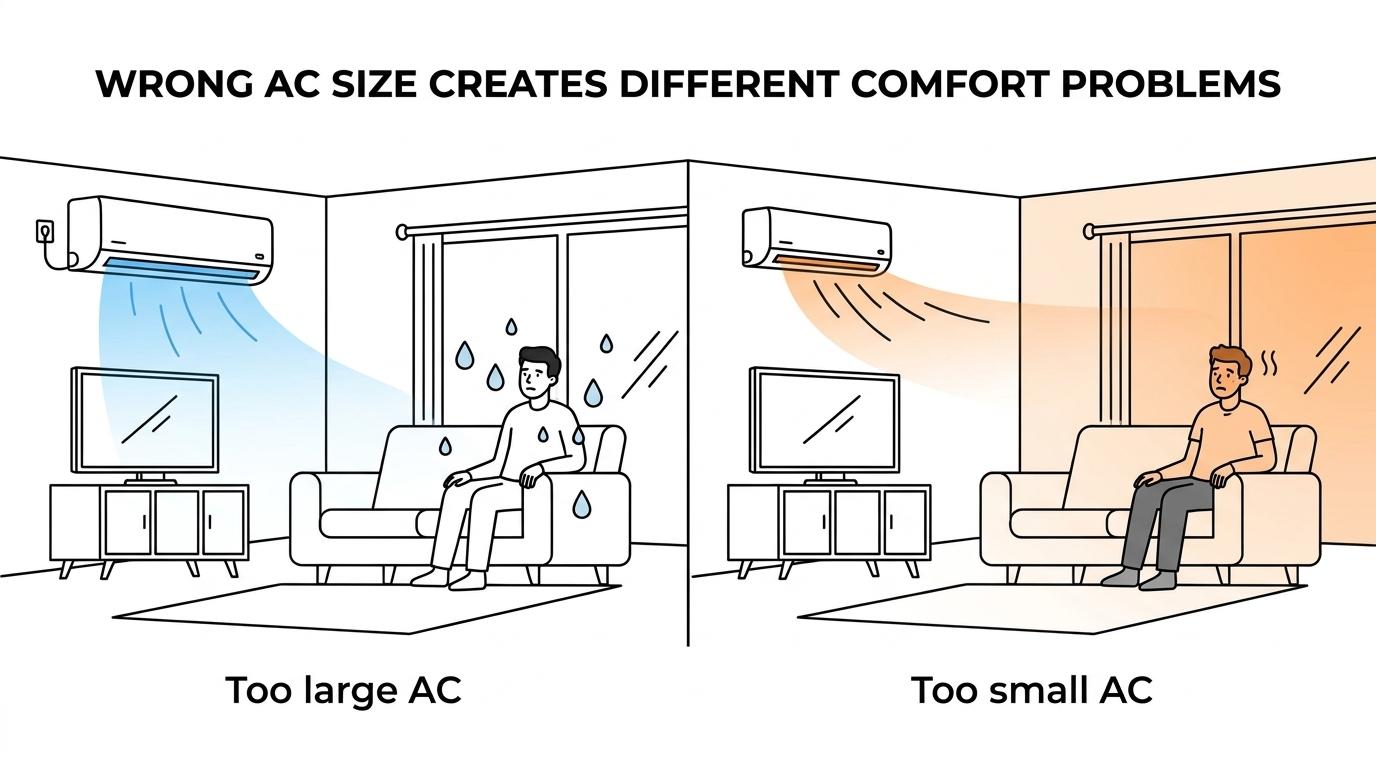
Correct sizing usually involves a load calculation rather than a guess based on square footage alone. Window area, insulation levels, ceiling height, duct layout, shade, air leakage, and occupancy can all affect the result. Florida code also raises the bar here. For total residential HVAC replacements, state energy code guidance says sizing calculations are required at permit time.
Some signs that a home may need a fresh sizing review include:
- Hot or cold spots between rooms
- Short cycling
- Indoor humidity that always feels high
- Weak airflow at distant vents
- Utility bills that keep climbing
A good installer should be ready to explain why a specific system size fits the house, not just the old equipment tag.
Duct Sealing and Airflow Are Core Parts of HVAC Installation
Ductwork gets less attention than the condenser outside or the air handler in the garage, attic, or closet. Even so, it can change how well the entire system performs. ENERGY STAR says poorly sealed ducts can result in up to 30% loss in efficiency. That is a striking number, especially for homeowners who are investing in a higher-efficiency replacement.
The EPA also advises that when an air conditioning system is replaced, all ducts should be sealed at the joints. In practical terms, that means installation quality should include more than setting new equipment in place and reconnecting old duct runs without inspection.
Airflow matters just as much. A new system needs enough supply air moving into living spaces and enough return air coming back to the equipment. If airflow is restricted, the system may run colder than intended, work harder, and lose the comfort benefits the homeowner expected.
Here is a simple way to think about the duct side of an HVAC installation:
| Installation Area | Why It Matters | What Homeowners Can Ask |
|---|---|---|
| Supply duct joints | Leaks waste conditioned air before it reaches rooms | Are supply connections being sealed during the job? |
| Return ducts | Return leaks can pull in hot, dusty, or humid air | Will the return side be inspected for gaps or damage? |
| Filter cabinet | Poor sealing around the filter can bypass filtration | Is the filter rack or cabinet being sealed properly? |
| Airflow setup | Low airflow can hurt comfort and system life | How will airflow be checked after startup? |
| Room balancing | Uneven air delivery leaves some rooms uncomfortable | Will any balancing issues be addressed if airflow is uneven? |
For many homes, better duct sealing and airflow correction can make a new system feel meaningfully different from the old one, even before energy savings show up on the next bill.
Florida HVAC Permit Requirements Affect Replacement Jobs
Permit requirements are not paperwork for its own sake. In Florida, installing or replacing a regulated mechanical system like HVAC typically requires a permit before the work begins. That matters for safety, code compliance, and accountability.
A permit process also helps verify that required sizing documentation is part of the project when a total replacement is being done. This is one reason homeowners should be cautious of unusually low bids that sound fast and simple. If a proposal skips over permit handling, calculations, or inspection steps, the lower price may leave out work that should not be optional.
In many cases, permit-related items tell you a lot about how organized and code-focused the installation company is.
- Permit application: confirms the work is being filed through the proper local process
- Sizing calculations: shows the selected equipment is based on the home, not guesswork
- Inspection sign-off: adds a layer of verification after the installation is complete
- Code-compliant electrical work: helps protect the system and the household
For Central Florida homeowners, this local detail can have real value. Climate, building styles, garage air handlers, attic duct systems, and heavy cooling loads all shape how installation work should be handled.
Qualified HVAC Installers Should Do More Than Set the Equipment
Installation quality depends on people, not only products. ENERGY STAR recommends using installers with industry-recognized HVAC installation certification, including credentials like NATE or ACCA. Certification alone is not the whole story, but it is a strong sign that the company takes training seriously.
Homeowners should also pay attention to licensing, experience with local homes, and how clearly the scope of work is explained. A careful installer should be able to walk through the plan in plain language: system size, airflow needs, thermostat setup, duct corrections, drain line protection, and expected timeline.
This is especially important in Florida homes, where humidity control can be as important as temperature control. Proper refrigerant charge, condensate drainage, float safety devices, and startup testing all affect how the system behaves once summer weather settles in.
A reliable installation team will usually handle work like this as part of the project:
- Removing and disposing of the old equipment
- Setting the new indoor and outdoor units correctly
- Connecting refrigerant lines and electrical components
- Sealing accessible duct joints and transitions
- Testing system operation after startup
If a proposal is vague about these basics, it is worth asking more questions before signing anything.
HVAC Installation Value Depends on Scope, Warranty, and Testing
Price matters, but price alone does not tell you which estimate offers the best value. Two proposals can list similar equipment and still represent very different levels of workmanship. One may include permit handling, duct sealing, startup verification, and labor warranty coverage. Another may only cover the bare minimum.
That is why homeowners often get better results by comparing scope line by line. Look for what is included beyond the equipment itself. Is a new thermostat part of the job? Will the installer check the return air path? Are drain components, disconnects, pads, or code updates included? Is labor coverage written into the agreement?
According to Al-Air’s residential replacement information, the company sizes, installs, and backs new systems for Central Florida homeowners, and its swap-out work includes equipment and labor warranties. That kind of clarity is helpful because it gives homeowners a better basis for comparing one proposal against another.
A stronger estimate should answer questions like these:
- Equipment match: are the indoor and outdoor components approved to operate together?
- Warranty terms: what covers parts, labor, and any registration requirements?
- Scope of work: does the proposal include permit handling, duct sealing, and startup checks?
- Post-install support: who responds if something needs adjustment after the installation?
This is also where no-pressure guidance matters. A good contractor should welcome thoughtful questions.
Questions to Ask Before You Approve an HVAC Installation in Central Florida
A good contractor should welcome thoughtful questions. Clear answers now can prevent expensive frustration later.
- How was the system size selected for this home?
- Will the job include permit filing and required sizing calculations?
- What duct sealing or airflow corrections are recommended?
- What certifications, licenses, or training do the installers hold?
- What testing will be done before the system is considered complete?
- What do the equipment and labor warranties cover?
These questions do not need to turn the process into an interrogation. They simply help separate a careful installation plan from a quick replacement pitch.
For homeowners in Orlando and nearby Central Florida communities, that difference can shape comfort for years. A properly sized system, sealed duct joints, solid airflow, and permit-compliant work give the new equipment a fair chance to do what it was bought to do.
If you are comparing options now, it helps to work with a local team that can explain the details clearly, show what is included, and keep the process moving on time. Al-Air provides residential HVAC installation and replacement service across Greater Orlando with free estimates, trained technicians, code-compliant work, and clear guidance built for Florida homes.