
A lot of Florida homeowners don't think about their heater until that one cool evening when the house suddenly feels damp, chilly, and uncomfortable. You lower the thermostat, wait for warm air, and get nothing. Or the system turns on, blows lukewarm air for a few minutes, and shuts right back off.
That's usually when people search heater repair near me.
In Greater Orlando, heating systems often sit idle for long stretches, especially heat pumps and furnaces that barely run during most of the year. That long downtime is exactly why small issues get missed. A dirty filter, weak electrical connection, sticky relay, or aging blower part can stay hidden until the first cold snap puts the system under demand. When that happens, smart decisions matter more than speed alone. Some problems are simple. Others need a real diagnostic and a technician who can tell the difference.
Is Your Heater Trying to Tell You Something?
The most common Florida heating breakdown starts in a subtle way.
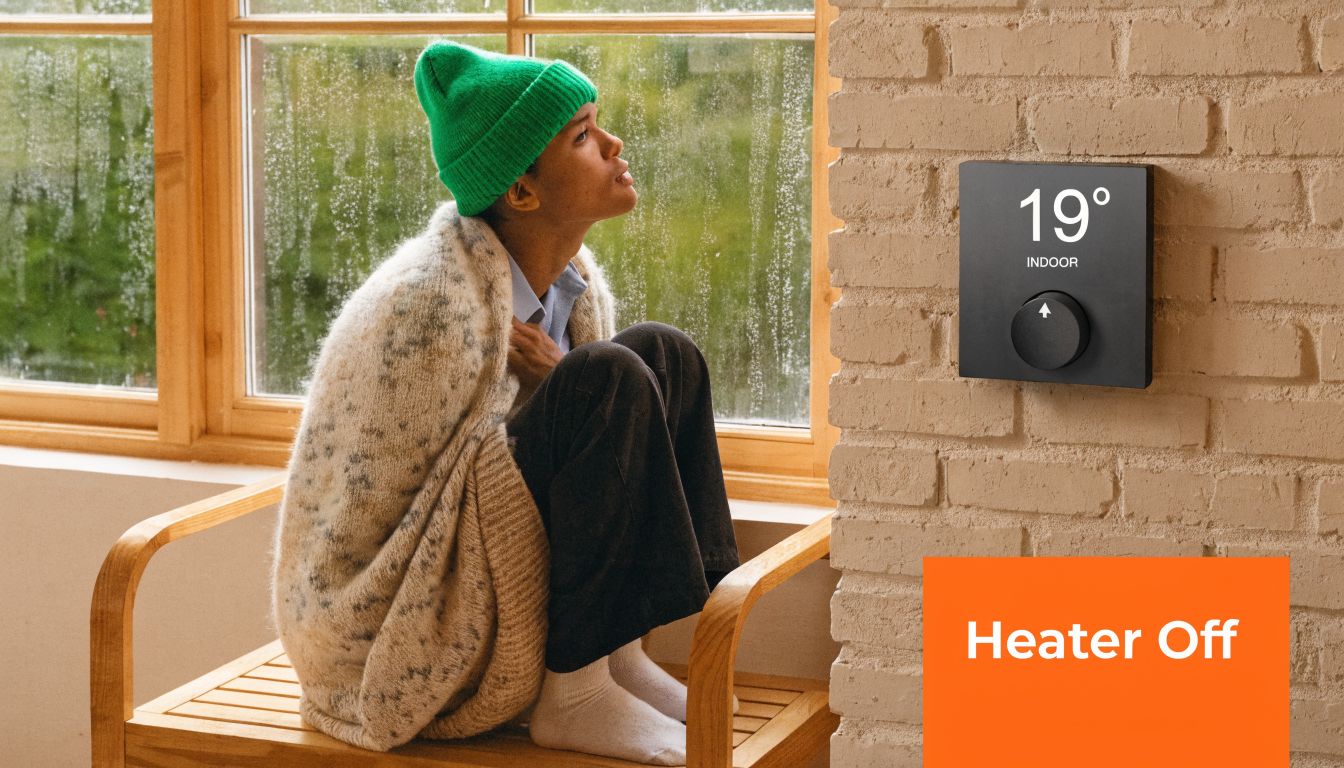
A homeowner runs the AC for months, then gets the first cold night of the season and flips the thermostat to heat. The outdoor unit starts, but the indoor air never warms up. Or the system makes a buzzing, rattling, or thumping sound that wasn't there before. Sometimes the heat works in short bursts, then stops. Other times the heater seems to run forever but the house never feels comfortable.
Warning signs that deserve attention
Some heater problems are obvious, but the early signs are easy to brush off:
- Odd noises. Squealing can point to blower problems. Rattling may mean a loose panel or vibrating component. Clicking without full startup can signal ignition or control trouble.
- Weak airflow. If air is coming out but barely moving, the system may be fighting a clogged filter, blower issue, or airflow restriction.
- Short cycling. The unit turns on, runs briefly, then shuts off. That can indicate overheating, control problems, or airflow trouble.
- A sudden jump in utility use. If the system has to work harder to deliver the same comfort, efficiency usually drops first.
- Rooms heating unevenly. One room feels fine while another stays cold. That often points to airflow imbalance, duct issues, or a system that isn't operating the way it should.
A heater rarely goes from perfect to dead without leaving clues.
Practical rule: If your heater is still running but not heating well, that's often the best time to call. Repairs are usually simpler before repeated cycling causes extra strain.
Why Florida systems fail after sitting idle
Florida homes are a little different from homes in colder states. Here, many heaters don't get daily winter use. A heat pump may switch modes only occasionally. A furnace may sit untouched for months. That idle time can hide neglected maintenance, dirty filters, corroded electrical connections, or wear that only shows up when the system finally runs again.
That's why emergency service gets so much attention online. But the bigger money issue is often what happened before the breakdown. As noted by Blind & Sons on heating repair and maintenance ROI, regular tune-ups can extend system life by 5 to 10 years, reduce energy costs by 10% to 15%, and prevent 80% of emergency breakdowns. Those numbers explain why waiting for failure usually costs more than catching trouble early.
What works and what doesn't
What works is paying attention to changes in sound, airflow, and runtime. What doesn't work is treating the heater like seasonal decor and assuming it will wake up perfectly after months of inactivity.
If your system is telling you something, listen before it turns into a cold-house emergency.
What to Check Yourself Before Calling a Pro
Before you schedule service, do a few safe checks. Think of this as basic first aid for your heating system. It won't fix a failed motor, damaged control board, or refrigerant problem, but it can solve simple issues and help you describe the problem clearly if you do need a technician.

Start with the thermostat
Thermostats cause more no-heat calls than expected.
Check these basics first:
- Make sure it's set to Heat. Not Cool, not Off, not Auto if you're unsure how your settings are configured.
- Set the temperature above room temperature. Raise it enough that the system should clearly call for heat.
- Check the batteries if your thermostat uses them. Weak batteries can cause blank screens, failed calls for heat, or erratic behavior.
If your thermostat is outdated, loose on the wall, or acting inconsistently, this guide on how to change a thermostat is a useful overview of what's involved. If you're not comfortable working with wiring, stop there and let a pro handle it.
Check power and airflow
If the thermostat is calling for heat and nothing happens, move to the simple system checks.
- Breaker panel. Look for a tripped breaker related to the air handler, furnace, or heat pump. Reset it once if needed. If it trips again, don't keep resetting it.
- Air filter. Pull the filter and inspect it under good light. If it's packed with dust, airflow may be restricted enough to cause performance problems or safety shutdowns.
- Supply vents and returns. Walk the house and make sure vents aren't blocked by rugs, furniture, or curtains.
A heater needs proper airflow the same way a car engine needs the right fuel and air mix. Starve it, and performance drops fast.
Gas furnace and heat pump checks
Different systems need different quick checks.
| System type | Safe homeowner check | Stop and call if |
|---|---|---|
| Gas furnace | Confirm thermostat setting, breaker status, filter condition, and that the unit appears to have power | You smell gas, hear repeated failed ignition, or the system won't stay lit |
| Heat pump | Check thermostat mode, filter, vents, and outdoor unit area for obvious blockage | The system runs but never heats, ices up, or makes harsh electrical or grinding sounds |
If you're in Central Florida and want a clearer idea of what professional service includes, the home heating system repair page gives a solid reference point for common repair situations.
If a breaker keeps tripping or a furnace tries to ignite repeatedly, don't keep experimenting. Repeated resets can make a small problem bigger.
Know where DIY should end
There's a hard line between checking and repairing.
Call a technician if you notice any of these:
- Burning smells that don't fade quickly
- No heat even after basic checks
- Metal scraping, grinding, or loud buzzing
- Visible water where it shouldn't be
- Gas odor or signs of soot around a furnace
- System starts, then shuts down over and over
Safe troubleshooting saves time. DIY repairs on heating equipment can create safety risks, damage expensive parts, or hide the actual cause of failure.
Budgeting for Heater Repair Costs in Orlando
When homeowners ask about price, the honest answer is that heater repair can be simple or involved. It's a lot like car repair. The final bill comes down to the part that failed, the time needed to diagnose and install it, and whether the problem is isolated or part of a larger system issue.
For Orlando homeowners, one useful benchmark comes from cooling-side repairs because many Florida homes rely on heat pump systems that share major HVAC components. According to Angi's Orlando HVAC repair cost guide, central AC repair costs in Orlando average between $460 and $2,030. That range is wide because repair scenarios vary from relatively minor fixes to major system failures. Heating repairs can be just as variable for the same basic reason.
What changes the final price
The quote usually moves up or down based on a few real-world factors:
- System type. A heat pump and a gas furnace don't fail the same way, and they aren't diagnosed the same way.
- Part access. A simple component in an easy-to-reach air handler is different from a buried part that takes more teardown time.
- Root cause. Replacing one failed part is one thing. Finding out why it failed is where a good repair earns its value.
- Timing. After-hours or urgent service can cost more than scheduled daytime work.
- Condition of the system. Older equipment often has more than one weak point.
What a transparent quote should include
A good repair estimate shouldn't feel vague or rushed. You should be able to understand what the technician found, what part of the system is affected, and what work is being recommended.
Look for these basics:
| Quote item | Why it matters |
|---|---|
| Diagnostic findings | Tells you what actually failed, not just what symptom showed up |
| Scope of work | Clarifies whether the repair includes testing, replacement, cleanup, and verification |
| Parts and labor | Helps you see where the money is going |
| Options if applicable | Useful if the system is aging and repair vs. replacement is a real decision |
| Warranty details | Shows what protection you have after the repair |
For many Florida homes, understanding the heating side starts with understanding the system itself. If you have a heat pump, this explanation of what a heat pump is and how it works helps make repair quotes much easier to follow.
Where homeowners lose money
The expensive mistake isn't always the repair itself. It's paying for rushed work that restores heat for the night but ignores the cause of the failure.
A cheap fix becomes an expensive one when the blower is still struggling, the airflow problem remains, or the controls were never properly tested. If a quote looks low because it skips diagnosis, skips verification, or sounds fuzzy on details, that low number may not stay low for long.
Choosing a Qualified Local HVAC Contractor You Can Trust
Orlando gives homeowners plenty of choices. That's good for competition, but it also means you have to sort serious contractors from companies that are good at answering the phone but weak in the field.
The local market is active and well developed. As described in ConsumerAffairs' overview of Orlando HVAC repair companies, the Greater Orlando HVAC industry includes established providers offering integrated services, 24/7 availability, flexible financing, and in some cases Better Business Bureau A+ ratings. Those are useful signs, but they shouldn't be the only reasons you hire someone.
What matters more than the ad
A trustworthy contractor should be able to do three things well.
First, diagnose clearly. If the explanation sounds like guesswork, it probably is.
Second, communicate in plain English. You shouldn't need to decode a repair recommendation.
Third, stand behind the work. If a company can't explain warranty coverage or what happens if the issue returns, keep looking.
A technician doesn't need to sound fancy. They need to sound precise.
A quick vetting checklist
Use this when comparing local companies for heater repair near me:
- Licensing and insurance. This protects you if something goes wrong and signals that the company operates professionally.
- Experience with your type of system. Heat pumps, air handlers, and gas furnaces each require different troubleshooting habits.
- Recent customer feedback. Read the latest reviews, not just the star rating.
- Transparent pricing. Ask whether they explain findings before starting work.
- Service area fit. A local company usually responds more smoothly than one stretching too far across the map.
If your home has gas heat, safety standards matter even more. This article on hiring Gas Safe registered engineers is written for a different market, but the core lesson still applies here. You want a properly qualified professional for combustion-related equipment, not a handyman taking a swing at it.
For homeowners comparing local providers, this HVAC contractor near me resource is helpful for narrowing down what to ask before you book.
What doesn't inspire confidence
Be careful with contractors who diagnose the problem before they've tested anything, push replacement before explaining repair, or talk only about the failed part and not the rest of the system. Heating problems often involve airflow, controls, and electrical behavior together. Good contractors know that. Weak ones keep the conversation shallow because they don't want scrutiny.
The Al-Air Heater Repair Process from Start to Finish
Most homeowners don't just want the heater fixed. They want to know what's going to happen from the first call until the house is comfortable again.
That process should feel orderly, not chaotic.

The call and arrival
The service experience starts with a few practical questions. What is the system doing now. Is it completely dead, running without heat, tripping breakers, or making noise. Is the problem affecting the whole house or just one area.
That information helps dispatch prepare for the likely diagnostic path. It also helps the technician arrive with the right mindset, especially on Florida systems where the issue might involve a heat pump reversing valve, a thermostat problem, a blower issue, or a furnace ignition sequence.
A punctual arrival matters because a heating call is stressful even in a mild climate. Homeowners don't want a vague window and silence. They want to know someone's on the way.
The diagnostic comes before the repair
A strong heater repair visit does not start with swapping parts.
It starts with testing.
The technician should confirm the complaint, inspect the equipment, check controls, and trace the problem to the correct subsystem. If the issue is electrical, the testing should show that. If it's airflow-related, the symptoms should support that. If it's tied to combustion or heat transfer, the technician should explain that clearly and safely.
What thorough repair actually looks like
According to industry best practices for furnace and heating repair, a high-quality repair should include a system-wide performance check, not just replacement of the failed part. That means inspecting air filters, electrical components, and airflow, then confirming the system is operating efficiently afterward. That final verification step is what lowers the risk of repeat service.
In practice, that usually means the service call should include:
- Confirmation of the failure before any repair is approved
- Plain-language explanation of what went wrong
- Clear options if more than one path makes sense
- Repair using the right part and procedure
- Post-repair testing so the system isn't just running, but running properly
A heater that turns back on isn't automatically fixed. It still has to be checked under real operating conditions.
What the homeowner should expect
Good technicians don't guard information. They explain what they found, what they recommend, and what the equipment is doing after the repair.
You should expect to hear answers to questions like these:
| Question | What a solid answer sounds like |
|---|---|
| What failed? | Specific component or condition, explained simply |
| Why did it fail? | A reason tied to wear, airflow, electrical issues, or operating conditions |
| Is the system safe to run? | Clear yes or no, with explanation |
| Did you test it afterward? | Yes, with description of what was checked |
Why this matters in Florida homes
Florida heaters often fail after long periods of little or no use. That makes it easy to miss related issues if the technician only focuses on the obvious symptom. A repair that includes airflow checks, filter review, electrical inspection, and operating verification is much more likely to hold up the next time the temperature drops.
That's the difference between restoring heat for the moment and fixing the system in a way that lasts.
Serving Greater Orlando and Ready for Your Call
If you're searching for heater repair near me in Central Florida, local coverage matters. Fast help is easier when the company already works in your area and knows the common heating setups in nearby homes.
Al-Air Corporation serves homeowners across Greater Orlando, including Clermont, Davenport, Kissimmee, Poinciana, Tampa, Hillsborough County, and Pasco County. The company also handles related HVAC and electrical needs, which can be especially helpful when a heating issue involves controls, breakers, wiring, or a broader system concern.
For urgent no-heat problems, round-the-clock assistance is available. For non-emergency service, maintenance, or a quote, it's smart to schedule before the next cool spell exposes a hidden issue.
Use whichever option fits your situation best:
- Emergency problem. Call for immediate help.
- Routine repair or strange performance. Book service before the issue gets worse.
- Estimate or replacement question. Request a visit and get clear options first.
The easiest next step is to contact Al-Air Corporation directly through their website to request service or speak with the team.
Frequently Asked Questions About Heater Repair
How long does a typical heater repair take?
It depends on the failure, the system type, and whether the technician has the needed part on hand. Some repairs are straightforward. Others take longer because the actual problem isn't obvious from the symptom alone.
A proper visit includes diagnosis, repair, and post-repair testing. If someone promises a timeline before inspecting the system, take that as a rough guess, not a guarantee.
Is it better to repair my old heater or replace it?
That depends on the unit's overall condition, not just the current breakdown. A single repair on a sound system can make good sense. An aging system with repeated issues, weak airflow, electrical wear, or declining reliability may justify a replacement discussion.
The best answer comes from a technician who explains both paths without pressuring you.
Why is professional diagnosis so important if I already know which part is bad?
Because the part you suspect may only be the visible failure.
According to the U.S. Bureau of Labor Statistics profile for HVAC mechanics and installers, heater repair work requires trained HVAC professionals, and the occupation includes 425,200 jobs. The same source notes that a competent diagnostic must determine whether the failure is electrical, combustion-related, or air-delivery-related. That matters because a “heater not working” complaint can come from very different causes, even when the symptoms look similar.
Why does my heater work sometimes and fail other times?
Intermittent problems usually point to controls, electrical connections, sensors, limit conditions, or parts that fail only under load. Those are some of the hardest issues to diagnose without testing the system while it operates.
That's why quick guesswork often leads to repeat calls.
Intermittent heat is still a repair issue. Waiting usually gives you the same problem at a less convenient time.
How do I know if the company I found online is actually reputable?
Look past the ad and review the basics. Check qualifications, service area, communication, and whether the company explains repairs clearly. Strong local companies usually educate well before they sell.
That same principle shows up in other parts of the trade too. For example, this overview from ReachLabs.ai on digital marketing for HVAC highlights how HVAC companies present themselves online. For homeowners, the takeaway is simple. Good marketing may help you find a contractor, but clear diagnostics and solid workmanship are what prove you picked the right one.
Should I keep running the system if it's making noise?
No, not if the noise is new, harsh, or getting worse. A soft airflow sound is normal. Grinding, scraping, loud buzzing, or repeated clicking is not. Shutting the system off can prevent added damage while you arrange service.
If your heater isn't starting, isn't heating evenly, or keeps acting up after basic checks, Al-Air Corporation can help. Their certified team serves Greater Orlando with heater repair, HVAC diagnostics, maintenance, and emergency service, along with clear communication and free estimates before work begins.