
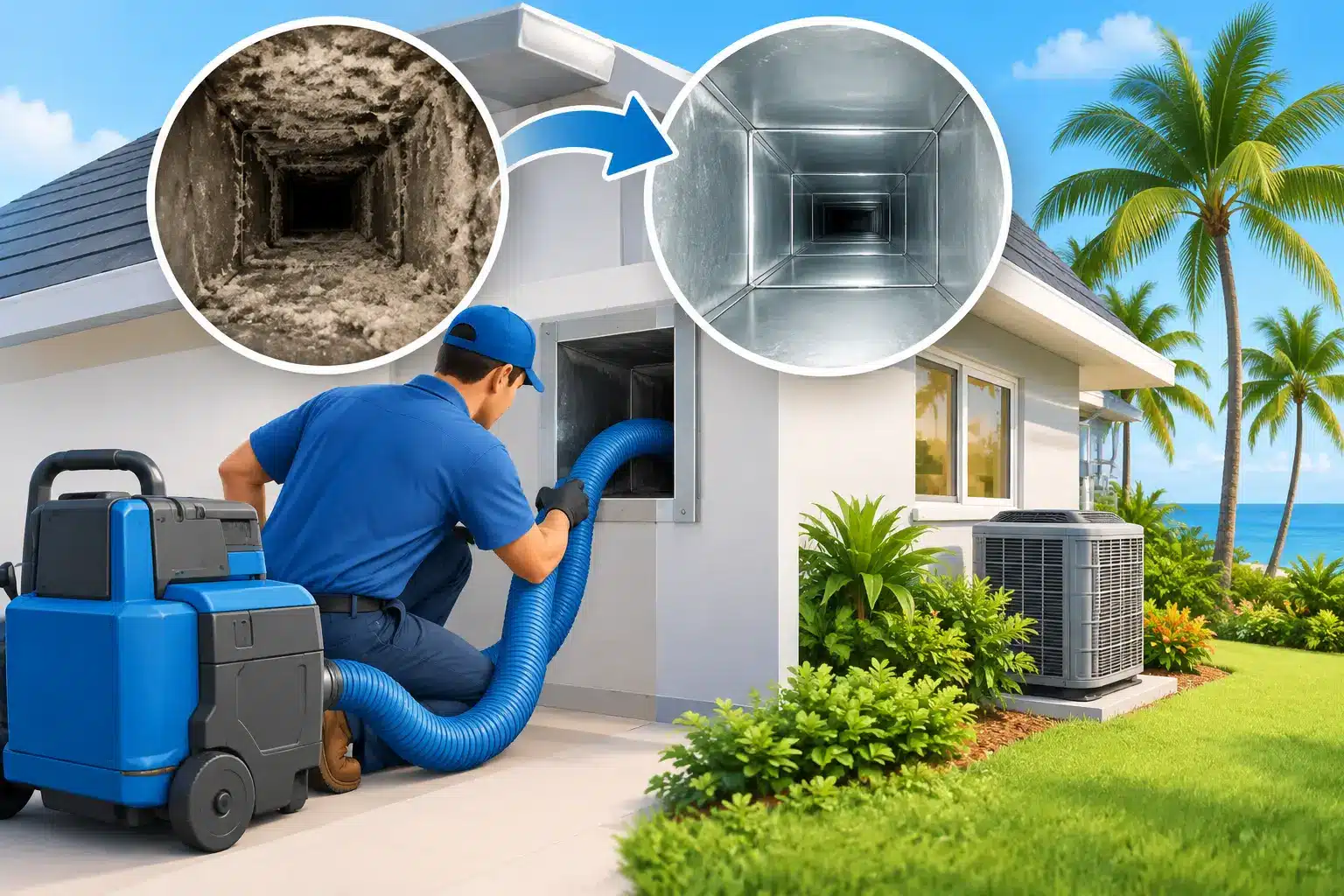
Your AC may be running hard, your filters may be changed on schedule, and yet dust keeps showing up on the furniture. In Central Florida, where cooling systems work most of the year, duct cleaning can be a practical answer when buildup, moisture, odors, or restricted airflow are affecting the air moving through your home.
But it is not a cure-all. A good contractor should tell you when cleaning makes sense, when another repair is the real issue, and what the work will actually include. No scare tactics. No vague promises. Just a clear look at what is inside the system and what your home needs.
When duct cleaning is worth it
Ducts do not need to be cleaned on a rigid annual schedule. Many homes can go years without it, especially when filters are replaced regularly and the system is properly sealed. The right timing depends on what is happening inside the home and inside the HVAC system.
A cleaning is often worthwhile after a renovation, drywall work, flooring installation, or any project that creates fine dust. Construction debris can travel through return vents and settle in duct runs, even when work areas were covered. If you have recently moved into a home with an unknown maintenance history, an inspection can also provide a useful baseline.
Visible debris around supply vents is another reason to take a closer look. So are recurring musty smells when the AC starts, unusually fast dust buildup, pet hair collecting near registers, or airflow that seems weaker in rooms farther from the air handler. These signs do not automatically mean the ducts are the problem, but they are worth investigating.
Florida humidity changes the equation. Condensation around an air handler, an oversized AC system that does not remove enough moisture, a clogged drain line, or duct leaks in a hot attic can all create conditions where odors and microbial growth become more likely. Cleaning contaminated material matters, but the moisture source must be fixed too. Otherwise, the same problem can return.
What duct cleaning can and cannot fix
Professional duct cleaning removes accumulated dust, loose debris, and other contaminants from accessible parts of the duct system. It can improve cleanliness after construction, help eliminate debris left by pests after the infestation has been addressed, and reduce material circulating from dirty ducts and return pathways.
It cannot solve every indoor-air or comfort complaint. If one bedroom is always hot, the cause may be undersized ductwork, a damaged or disconnected run, poor attic insulation, a closed damper, or a system that was never balanced correctly. If your home feels humid, cleaning the ducts will not correct an AC sizing issue, low refrigerant, poor drainage, or a thermostat setting problem.
Likewise, dust on surfaces is not always coming from ducts. Leaky return ducts can pull attic dust into the system. Gaps around doors and windows, heavily used rooms, pets, and a low-quality filter can contribute as well. A dependable technician looks beyond the vent opening before recommending work.
This is why inspection matters. Before agreeing to a service, ask what the technician found, where it was found, and whether there are damaged ducts, moisture concerns, or airflow issues that should be handled first. Clear photos and a plain-language explanation are reasonable expectations.
What a thorough duct cleaning should include
A proper job is more than putting a vacuum hose into a vent. The contractor should protect floors and nearby furnishings, inspect accessible ductwork, and use professional negative-pressure equipment designed to contain loosened debris. Each supply and return run should be addressed, not just the easiest vents to reach.
The air handler components deserve attention as well. Depending on the system and service scope, that may include the blower compartment, return box, drain area, and accessible sections around the evaporator coil. The coil itself requires care. It is a delicate component, and cleaning it improperly can cause damage or leave residue that affects performance.
A technician should also check the condition of the duct system while it is accessible. Flexible ducts can sag, tear, or come loose. Metal ducts can develop leaks at joints. Insulation around ducts in an attic can be damaged by moisture or pests. Cleaning a duct that has failed mechanically is only part of the job. Repairing or replacing the damaged section is what protects airflow afterward.
Be cautious with companies that advertise an unusually low starting price and then turn the visit into a series of surprise add-ons. You should receive a clear explanation of the scope, any recommended repairs, and the price before additional work begins. If the duct system is in good shape and cleaning is not necessary, that is useful information too.
Mold, odors, and moisture need a direct answer
Musty AC odors make homeowners understandably concerned about mold. The first step is to identify what is actually present and why. Dirt in a return box, a wet drain pan, an overflow issue, insulation damage, or high indoor humidity can all create unpleasant smells. A visual inspection may show obvious growth or water damage, but not every dark spot is the same problem.
If active microbial growth is confirmed, cleaning should be paired with source control. That can mean correcting drainage, sealing duct leaks, improving insulation, repairing a duct connection, or addressing an AC performance issue. Treatments applied inside ducts should be explained clearly, including why they are recommended and where they will be used. Homeowners should never be pressured into mystery chemicals or broad claims that a spray will solve every air-quality concern.
The practical goal is simple: remove the contamination that can be safely removed, correct the moisture condition that allowed it, and verify that the system is moving air properly.
How to keep ducts cleaner after service
After a cleaning, the best results come from basic HVAC maintenance. Use the filter type recommended for your system and replace it on schedule. A filter that is too restrictive can reduce airflow if the equipment was not designed for it, while a cheap filter may allow more dust through. The right choice depends on your system, household, pets, and indoor-air concerns.
Keep supply vents and return grilles open and clear of furniture, rugs, and boxes. Closing multiple vents to force air into other rooms can raise static pressure and create comfort problems. It is also smart to keep an eye on your indoor humidity. In most homes, a comfortable target is generally between 30% and 50%, though Florida conditions and equipment design can affect what is realistic.
Regular preventive maintenance gives a technician the chance to inspect the drain system, blower operation, electrical connections, refrigerant performance, and duct condition before small problems turn into a breakdown. For homeowners with older equipment, that inspection can reveal whether airflow complaints are coming from the ducts, the AC system, or both.
Questions to ask before scheduling duct cleaning
You do not need to become an HVAC expert to choose a qualified provider. Ask whether the company will inspect the system before cleaning, what equipment it uses, and exactly which components are included. Ask if the crew is licensed and insured where required, whether photos can be provided, and how pricing changes if damaged ducts or moisture issues are discovered.
It also helps to ask what the company will not do. A trustworthy answer may be that cleaning alone will not fix a duct leak, an aging blower motor, a failing capacitor, or an AC system that cannot control humidity. Straight answers prevent wasted money.
For homes that need both duct work and HVAC repairs, using one accountable contractor can simplify the process. Al-Air can evaluate the duct system alongside the AC equipment, explain the findings clearly, and handle the work without sending you through a chain of referrals.
The right time is based on evidence
Duct cleaning is most valuable when there is a real reason for it: post-renovation debris, confirmed buildup, pest-related contamination, persistent odors tied to the duct system, or a moisture issue that has been corrected. It is less useful as an automatic annual add-on.
If your home is dusty, unevenly cooled, or smelling off when the AC runs, start with an inspection instead of a guess. The right fix may be cleaning, a duct repair, routine HVAC maintenance, or a combination of all three. What matters is getting a clear answer before the next Florida heat wave puts your system under pressure.