
You usually notice your air conditioner at the worst possible time. It’s late afternoon in Orlando. The thermostat says one number, the house feels like another, and the system that seemed fine yesterday is suddenly running nonstop or not cooling at all.
That’s why air conditioner maintenance home work matters more here than in milder climates. In Greater Orlando, your system doesn’t get much of an off-season. It deals with long cooling stretches, sticky humidity, afternoon storms, clogged drain lines, dirty coils, and outdoor units that take a beating from heat and debris. Generic advice misses that reality.
A good maintenance routine doesn’t need to be complicated. It needs to be consistent, safe, and suited to Florida conditions. The jobs homeowners can do themselves are straightforward once you know what to look for. The jobs that require gauges, meters, and electrical testing should stay in professional hands. That balance is what keeps a system reliable.
Why Air Conditioner Maintenance is Critical for Your Orlando Home
When an AC fails in Central Florida, comfort drops fast. Indoor humidity rises, bedrooms get stuffy, and the house starts feeling damp even before the temperature gets unbearable. In Orlando, that’s more than an inconvenience. It can disrupt sleep, stress older equipment, and turn a small issue into a larger repair if the system keeps struggling.
The biggest mistake homeowners make is waiting for a symptom. By the time you hear a strange sound, see water near the air handler, or realize the home won’t cool evenly, wear has usually been building for a while. Maintenance catches that wear before it stacks up.
Homes that schedule biannual HVAC maintenance save up to $500 per year on repairs, while 90% of major AC breakdowns could have been prevented with seasonal checks, according to Expert Air’s HVAC industry statistics roundup. That lines up with what technicians see every summer. Dirty filters become airflow problems. Airflow problems strain motors and coils. Strain turns into no-cool calls.
What maintenance actually protects
Routine upkeep does three practical things:
- Prevents avoidable shutdowns by catching clogged filters, blocked drain lines, dirty outdoor coils, and loose electrical connections early.
- Protects efficiency so the system doesn’t need to run longer than necessary to remove heat from the home.
- Extends equipment life by reducing constant stress on the compressor, blower, and controls.
Practical rule: If your AC runs almost every day for months, treat maintenance like oil changes for a vehicle. Skipping it doesn’t save money. It only delays the bill.
Why Orlando homes need a different standard
Florida adds pressure from every direction. Humidity makes drain lines and coils dirtier faster. Pollen and lawn debris collect around outdoor condensers. Thunderstorms and hurricane season create power interruptions and outdoor damage risk. In some neighborhoods, salt in the air also speeds corrosion.
That’s why a once-in-a-while approach rarely holds up. A maintenance plan for Orlando needs regular filter attention, outdoor cleaning, drain line care, and scheduled inspections before heavy seasonal demand hits. That’s the difference between hoping the system makes it through summer and giving it a fair chance to do its job.
Your Home AC Maintenance Schedule A Periodic Checklist
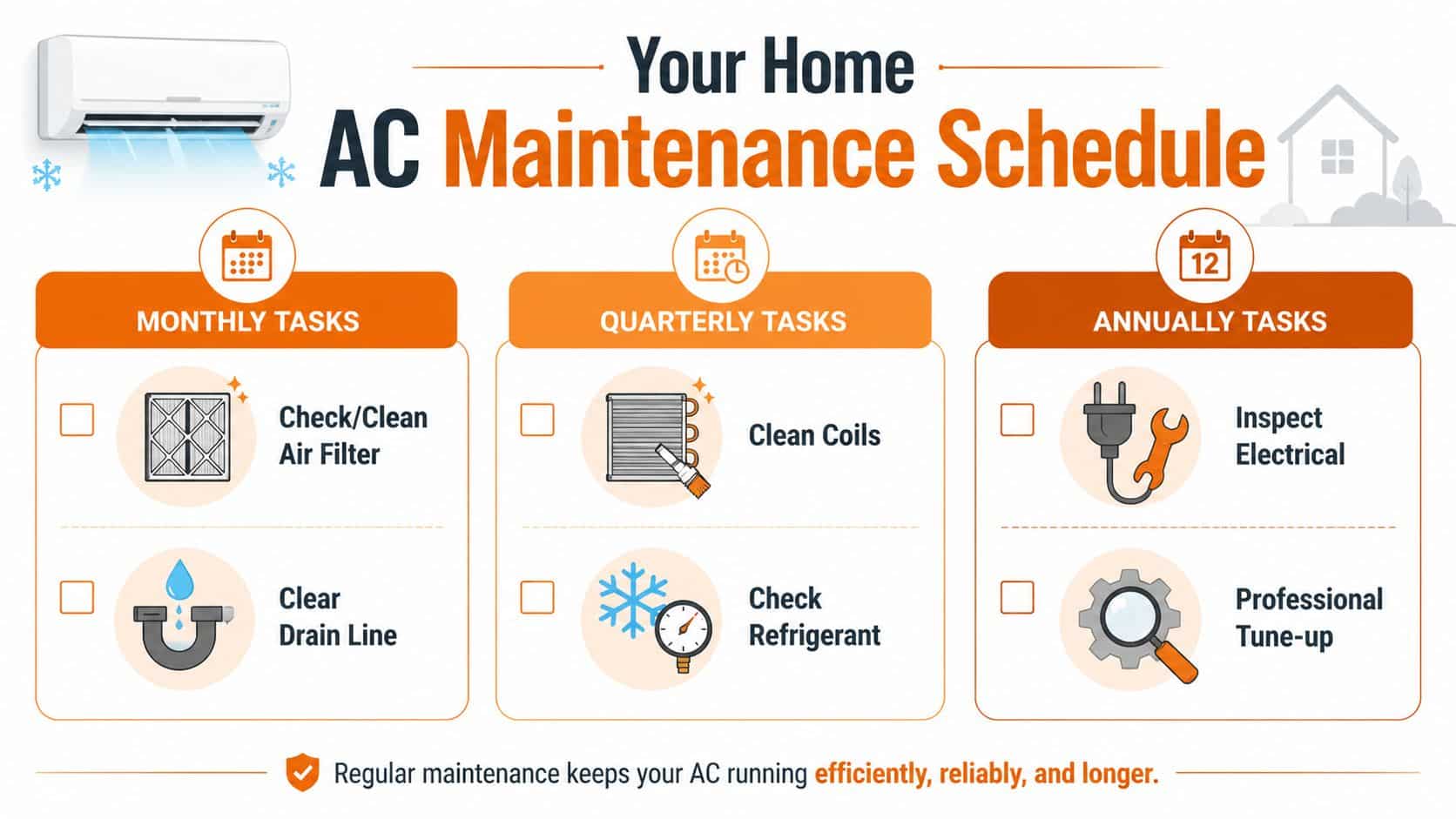
A maintenance schedule works best when it matches how people live. Most homeowners won’t follow a giant technical checklist every weekend. They will follow a short routine tied to the calendar. That’s the practical way to keep an Orlando AC system steady through heat, humidity, and storm season.
As of 2020, more than 90% of American homes had air conditioning, and well-maintained central air conditioners from reputable brands can last 15-20 years, but require at least annual servicing to maintain efficiency, according to Jackson & Sons’ homeowner HVAC stats guide.
Monthly checks that prevent common Florida problems
These are the jobs that keep small restrictions from turning into service calls.
- Inspect the air filter: Pull it out, look for visible dirt loading, and replace it if it’s packed, gray, or restricting airflow. In homes with pets, dust, or frequent AC runtime, filters get dirty faster.
- Look at the condensate drain area: If you have a drain access point near the indoor unit, make sure there’s no standing water, slime, or signs of overflow.
- Walk around the outdoor condenser: Remove leaves, palm debris, grass clippings, and anything pressed against the cabinet.
- Listen during a cooling cycle: You’re not diagnosing the unit yet. You’re just paying attention. New buzzing, rattling, or hard starts are signs to monitor.
For homeowners who already keep a broader property routine, a good companion resource is this monthly home maintenance checklist. It helps tie HVAC attention to the same schedule as other recurring house tasks.
Seasonal work for spring and fall
Orlando systems don’t always get a true rest period, but spring and fall are still the right times to reset the system before peak demand.
Spring priorities
Spring preparation should focus on cooling readiness.
| Task | Why it matters |
|---|---|
| Replace or inspect the filter | Reduces airflow restriction before heavy runtime begins |
| Clean around the condenser | Helps the unit reject heat more effectively |
| Check thermostat operation | Confirms cooling calls are accurate before hotter weather |
| Flush the drain line if appropriate for your setup | Helps prevent water backups during humid weather |
| Schedule a tune-up if due | Gives a technician time to catch issues before summer demand |
Fall priorities
Fall in Florida isn’t about shutting the AC down for months. It’s about cleaning up after the hardest part of the year.
- Remove storm debris: Leaves, twigs, and roof grit often collect around outdoor equipment after summer weather.
- Check insulation on exposed refrigerant lines: Sun and weather can deteriorate the insulation wrap.
- Look for rust or cabinet wear: Early surface corrosion is much easier to address than deep damage.
- Review system performance: If the home struggled with weak airflow, uneven rooms, or humidity all summer, don’t ignore it until next year.
The best schedule is the one you’ll actually follow. Monthly visual checks and planned seasonal attention beat a long list you never use.
Annual tasks that shouldn’t be skipped
Some jobs need tools and training. They also matter the most when performance has slowly drifted and the homeowner doesn’t realize it.
A proper yearly service visit should include inspection of the indoor and outdoor equipment, electrical components, airflow-related conditions, and overall system operation. Annual servicing is the point where hidden wear gets found.
A simple schedule many Orlando homeowners can keep
- Every month: Check filter, drain area, and debris around the outdoor unit.
- Every spring: Clean up, test cooling operation, and book service before extreme heat.
- Every fall: Inspect for storm wear, drainage issues, and outdoor cabinet damage.
- Every year: Have the full system professionally inspected and tuned.
This kind of routine keeps maintenance from becoming reactive. It also gives you a better record of what the system has been doing over time, which helps if cooling performance changes gradually instead of failing all at once.
Essential DIY Air Conditioner Maintenance Tasks You Can Do Today
Most homeowners don’t need to take apart an AC system to improve performance. A few basic tasks handle most of the preventable buildup and restriction that shorten equipment life. The key is doing them safely and doing them correctly.
Change the filter the right way
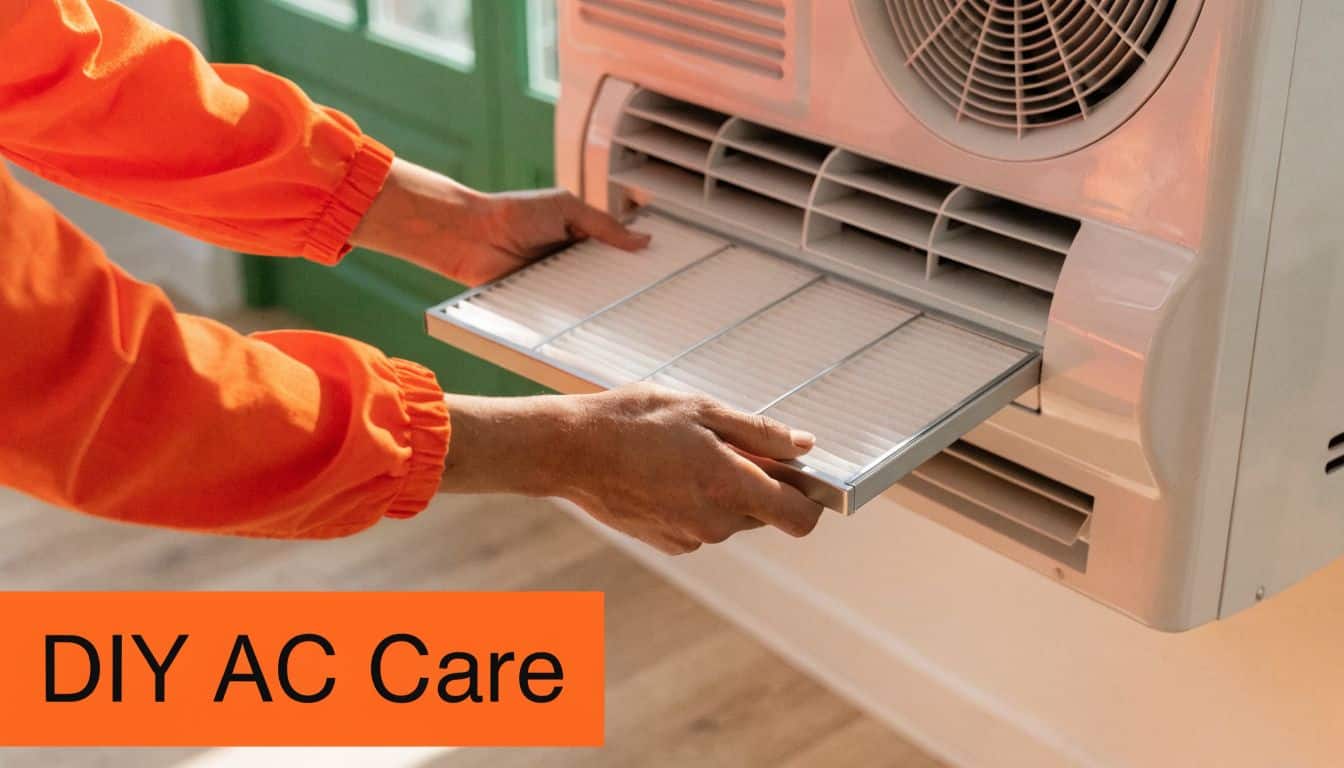
Filter changes sound simple because they are simple. The problems start when the wrong size goes in, the airflow arrow points backward, or the filter is left in too long.
A clogged filter restricts airflow through the system. That can make rooms feel warmer, increase strain on the blower, and contribute to coil issues over time. In Orlando homes, where systems often run hard and humidity is part of the load, filter neglect shows up quickly.
What you need
- A replacement filter in the correct dimensions
- A marker or phone note to track the install date
- A flashlight if the return grille or filter slot is in a dark location
How to do it
- Turn the thermostat to off. This avoids pulling debris into the system while the filter is out.
- Remove the old filter carefully. If it’s heavily loaded, keep it upright so dust doesn’t spill.
- Check the size printed on the frame. Don’t guess based on appearance.
- Find the airflow arrow on the new filter. It should point toward the air handler or furnace cabinet, not out into the room.
- Insert the new filter fully. Make sure it sits flat and doesn’t bow.
- Restore thermostat settings.
A few trade-offs worth knowing
Higher-efficiency filters can help trap finer particles, but they also need to be matched to the system. A filter that’s too restrictive for the equipment or return design can create airflow problems instead of solving them. If you’re unsure, use the filter type recommended for your system rather than assuming denser always means better.
For landlords and homeowners who want a maintenance process documented more formally, VerticalRent's HVAC maintenance guide is useful for thinking through recurring service expectations and responsibilities.
Clean the outdoor condenser safely
The outdoor unit needs open airflow around it. In Florida, it collects grass clippings, leaves, seed fluff, dirt, and storm debris. When the coil surface gets coated, the system has a harder time shedding heat outside.
That doesn’t mean you should attack it with a pressure washer. Bent fins and forced water intrusion create a different set of problems.
Safe cleaning steps
- Shut off power first: Use the disconnect near the condenser and, if needed, the breaker.
- Clear the perimeter: Remove weeds, vines, leaves, and stacked items from around the cabinet.
- Take off loose debris by hand: Gloves help if there are sharp edges or twigs.
- Rinse gently with a garden hose: Use moderate water flow, aimed through the coil, not a blasting stream that can flatten fins.
- Clean from top debris areas carefully: If leaves are lodged under the top grille and your unit design allows safe access, remove them gently. If not, leave that part to service.
- Inspect fins visually: If they’re heavily crushed or matted with grime, stop there and schedule professional cleaning.
If the outdoor unit looks dirty, clean the surroundings first. A condenser often performs better after you remove the stuff packed around it, even before deeper cleaning starts.
If you want a quick visual refresher before tackling basic care, this walkthrough can help:
Clear the condensate drain line before it causes a shutdown
This is one of the most Florida-specific DIY jobs a homeowner can learn. Your AC removes moisture from indoor air. That water drains away through the condensate line. When that line clogs with sludge or growth, water can back up into the drain pan, trigger a safety switch, or leak where it shouldn’t.
Homes with high humidity can see this issue sooner than expected, especially during long cooling stretches.
Signs the drain line may need attention
| Symptom | What it can mean |
|---|---|
| Water near the indoor unit | Drain blockage or poor drainage |
| System won’t cool and seems shut down | Float switch may have stopped operation |
| Musty odor near the air handler | Moisture may be lingering in the drain area |
| Visible slime in the drain opening | Early clog development |
Basic homeowner approach
- Turn the system off.
- Locate the drain access point near the indoor air handler, if your setup has one.
- Inspect for visible buildup at the opening.
- Use a wet/dry vacuum on the outdoor drain termination if that’s part of your maintenance practice and the line configuration allows it.
- Restore operation and monitor.
Don’t pour random household chemicals into the line. Some products can damage components or create fumes in enclosed areas. If you don’t know what the drain layout is, it’s better to stop than guess.
Know the parts before you start touching things
A lot of homeowner mistakes come from not knowing which part is which. The blower section, evaporator coil area, drain assembly, contactor, disconnect, and condenser coil all have different functions and different safety concerns. If you want a clear overview of what you’re looking at, this guide to the parts of a central AC unit helps homeowners identify the major components before they try maintenance.
What not to do yourself
Some jobs sound simple online but aren’t homeowner work in practice.
- Don’t open sealed refrigerant components.
- Don’t test live electrical parts if you’re not trained.
- Don’t straighten fins aggressively with improvised tools.
- Don’t keep resetting a tripped breaker repeatedly.
- Don’t assume weak cooling means “just add refrigerant.”
That last one causes a lot of confusion. Refrigerant isn’t like fuel that gets used up normally. If a system is low, there’s a reason. That reason needs to be found, not masked.
For practical DIY care, the safest wins are still the basics: filter management, outdoor debris removal, drain awareness, and noticing changes early. Those four habits solve a surprising number of comfort complaints before they become repair visits.
Troubleshooting Common AC Problems Before You Call for Help
Most AC problems feel urgent because the house changes quickly once cooling drops off. That doesn’t mean every problem needs a same-minute repair. A few checks can tell you whether you’re dealing with a simple fix, a preventable airflow problem, or something that needs tools.
The AC is running but the house isn’t cooling
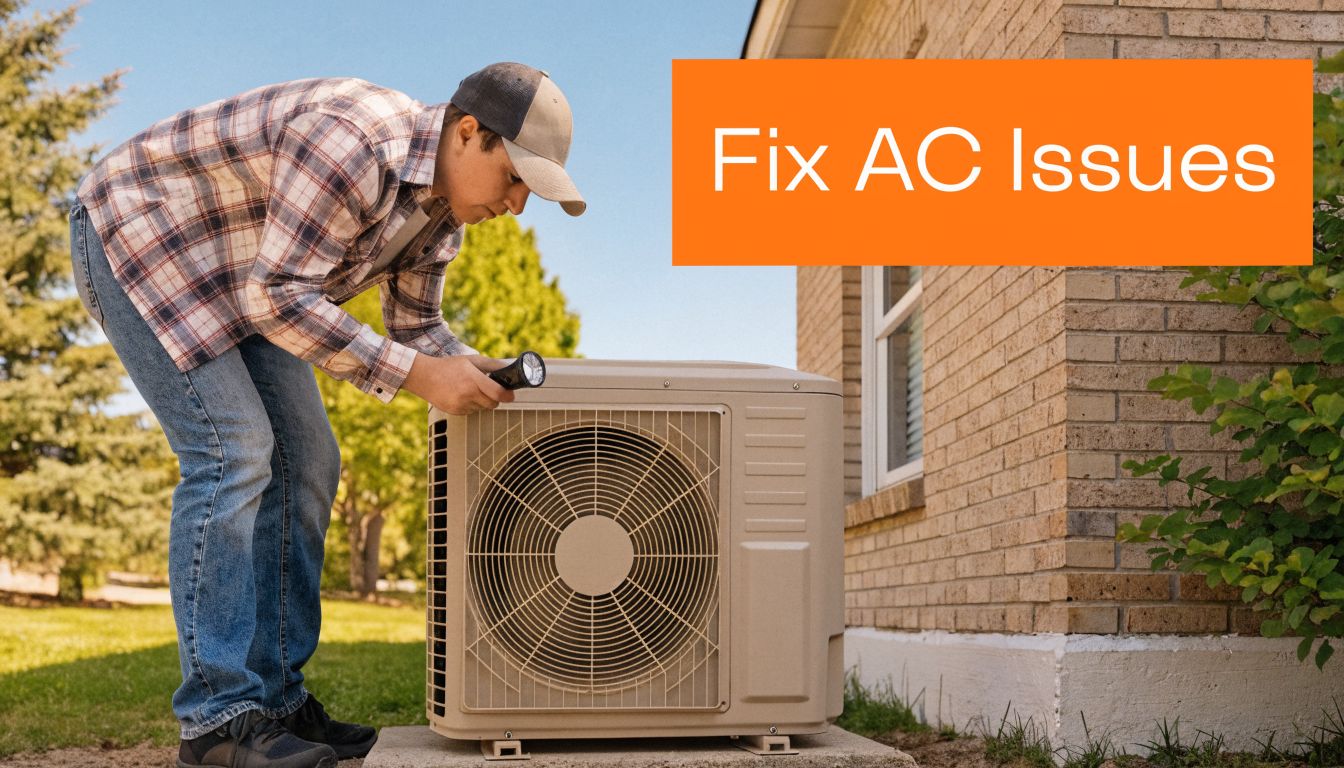
Start with the easiest restrictions first. Check the thermostat setting, make sure the filter isn’t clogged, and confirm the outdoor unit is free of debris. Then look at the supply vents inside the home and make sure they’re open and unobstructed by furniture or rugs.
One common mistake is closing vents in unused rooms. Closing vents offsets system balance, creates pressure, and can lead to duct leaks, a problem often seen in rentals or remodeled homes in areas like Clermont and Davenport, according to AC by DC’s homeowner maintenance guide. Homeowners often think they’re saving money. In reality, they can create airflow and comfort problems elsewhere in the house.
Don’t judge the whole system by one hot room. Check the filter, vents, thermostat, and outdoor unit before assuming the equipment itself has failed.
If weak cooling comes with a damp or stale indoor smell, moisture may be part of the issue. Homeowners dealing with odor problems sometimes find this guide on how to get rid of musty smells useful alongside HVAC troubleshooting, especially when humidity and airflow problems overlap.
The unit won’t turn on at all
When the system is completely dead, work through the power path before worrying about major component failure.
Check these first
- Thermostat display: If it’s blank, replace batteries if your thermostat uses them.
- Breaker panel: Look for a tripped breaker serving the air handler or condenser.
- Emergency switch: Some indoor units have a nearby power switch that can get turned off accidentally.
- Drain safety switch: If the condensate line backed up, the system may be shut down to prevent water damage.
If the breaker trips again after you reset it once, stop there. Repeated resets can make an electrical problem worse.
The thermostat is on, but airflow feels weak
Weak airflow usually points to restriction, blower trouble, or a duct issue rather than a thermostat problem. The filter is still the first check. After that, walk the house and confirm return grilles aren’t blocked by furniture, curtains, or stored items.
In remodeled homes, airflow complaints often trace back to duct changes, closed doors, or room balancing issues that weren’t considered when the layout changed. If that sounds familiar, a more detailed air conditioner troubleshooting guide can help you narrow down whether you’re seeing an airflow issue, a control issue, or a likely service call.
Strange sounds and short cycling
Not every noise means an emergency. A brief startup sound is normal. A repeated buzz, metal rattle, grinding noise, or rapid on-and-off cycling is not something to ignore.
Use this simple rule:
| Symptom | Try first | Stop and call if |
|---|---|---|
| Rattling | Check for loose debris or panel vibration | Noise continues after debris is cleared |
| Buzzing | Confirm thermostat and breaker status | Buzzing is constant or paired with poor cooling |
| Short cycling | Check filter and thermostat settings | System keeps shutting off quickly |
| Blank thermostat | Replace batteries, check breaker | Display stays dead |
Troubleshooting is about ruling out the obvious without crossing into unsafe territory. If you’ve checked airflow, thermostat settings, breakers, and drainage, and the problem remains, you’ve already done the homeowner part well.
Orlando-Specific AC Care for Florida's Heat and Humidity
A system that performs well in a dry climate can struggle in Greater Orlando if maintenance stays generic. Florida air carries more moisture, storms leave more debris, and outdoor equipment lives in harsher conditions for longer stretches. The maintenance plan has to reflect that.
Humidity changes the maintenance priority
In Orlando, cooling the air is only half the job. Your AC also removes indoor moisture. That’s why homeowners often say the house feels “cold but clammy” when something is off. Dirty filters, restricted airflow, poor drainage, and coil buildup can all interfere with how the system handles humidity.
If you want a deeper explanation of how cooling equipment affects indoor moisture, this overview of whether air conditioners remove humidity gives helpful context. It connects directly to why drain lines, filters, and airflow matter so much in Florida homes.
Hurricane season requires a different checklist
Outdoor units in this region face wind, flying debris, flooding risk, and post-storm contamination. For Florida homeowners in hurricane-prone areas, storm debris, high humidity, and salt air corrosion accelerate unit degradation. Post-hurricane inspections are critical, as saltwater damage on coils can reduce efficiency by up to 20-30%, according to AAA Standard Services’ AC servicing guidance.
That means your routine should include storm prep and storm follow-up, not just summer tune-ups.
Before a major storm
- Clear loose debris nearby: Patio items, branches, and yard clutter can become projectiles.
- Inspect the pad and mounting condition: A shifting or uneven base leaves the unit more vulnerable.
- Trim back vegetation: Shrubs and limbs close to the condenser trap debris during storms.
- Know where the disconnect is: If storm procedures require power shutdown, don’t wait until weather is bad to locate it.
After the storm passes
- Check for visible fin and coil damage
- Look for mud, standing water, or flood exposure
- Remove leaves and debris packed into the cabinet
- Watch for new noises on startup
After a storm, don’t just see whether the unit turns on. Check whether it looks physically changed. Bent fins, packed debris, and corrosion often show up before a complete failure.
Salt air and year-round exposure
Not every Orlando-area homeowner lives close enough to the coast to think about salt, but regional air movement and long-term exposure still matter in many Florida properties. Corrosion shows up gradually on coils, cabinet screws, service valves, and electrical connections. Once it gets ahead of you, performance and serviceability both suffer.
That’s why local maintenance is less about one big annual cleaning and more about repeated observation through the year. In Florida, the weather keeps testing the system. Your maintenance routine has to keep answering.
When to Call an Al-Air Professional for AC Service
DIY maintenance has a clear ceiling. Homeowners can manage filters, visible debris, drain awareness, and basic troubleshooting. Once the issue involves refrigerant, electrical diagnosis, control sequencing, airflow measurement, or persistent short cycling, it’s time for a technician.
That boundary matters because AC systems can appear simple from the outside while hiding problems that need instruments, not guesses. A system might run and still be operating poorly. It might cool some rooms while damaging itself over time. That’s where professional testing changes the outcome.
Problems that need more than homeowner maintenance
Call for service if you notice any of these conditions:
- Warm air with normal-looking airflow: This may point to refrigerant, coil, or compressor-related issues.
- Repeated breaker trips: Electrical faults are not DIY trial-and-error work.
- Grinding, buzzing, or hard-start behavior: Motor, capacitor, or contactor problems can worsen fast.
- Short cycling: The unit starts and stops repeatedly without completing a normal cooling cycle.
- Water around the indoor unit that keeps returning: A simple clog may have turned into a drainage or installation issue.
- Uneven temperatures that don’t improve after filter and vent checks: Airflow balance or duct issues may need testing.
Why refrigerant and airflow testing are professional jobs
Professional HVAC maintenance must include precise refrigerant charge verification and airflow measurement, as improper levels can reduce system efficiency by up to 15 percent, increase energy costs, and shorten equipment lifespan, according to the U.S. Department of Energy’s air conditioner maintenance guidance.
That sentence sums up why homeowners shouldn’t try to self-diagnose refrigerant by feel or internet shortcuts. “It doesn’t feel cold enough” isn’t a diagnosis. Airflow has to be measured. Charge has to be verified correctly. Electrical operation has to be checked in sequence.
What a good service visit should accomplish
A proper service call should do more than swap a part and leave. It should identify why the problem started, whether related components were affected, and what condition the rest of the system is in.
Look for a technician who will:
- Inspect the system as a whole rather than chasing one symptom in isolation.
- Check electrical components safely and explain any worn parts in plain language.
- Evaluate airflow conditions if comfort complaints involve weak delivery or hot rooms.
- Address drainage and humidity-related concerns when water or musty conditions are part of the complaint.
- Explain options clearly if the system is aging, repair-prone, or mismatched to the home.
A good HVAC call doesn’t just restore cooling. It tells you whether the system is stable, marginal, or heading toward another breakdown.
Where a local contractor fits in
For homeowners in Greater Orlando, Clermont, Davenport, Kissimmee, Poinciana, Tampa, Hillsborough, and Pasco counties, local experience matters because the service conditions are different. Drain issues are more common. Storm exposure changes outdoor equipment wear. Remodel work can create airflow and electrical complications that don’t show up in generic service scripts.
In that context, Al-Air Corporation handles residential HVAC maintenance, repairs, system replacements, duct cleaning, and licensed electrical work, which is useful when an AC problem overlaps with panel capacity, wiring, or a remodel-related upgrade.
If your system is making noise, tripping breakers, icing up, leaking, or failing to cool after the basic homeowner checks, that’s the point to stop troubleshooting and schedule service. The goal isn’t just getting cold air back today. It’s keeping the equipment from suffering avoidable damage tomorrow.
If your AC is struggling in Orlando’s heat, or you want a maintenance plan that fits Florida conditions instead of generic advice, contact Al-Air Corporation. We serve homeowners across Greater Orlando and surrounding areas with preventive maintenance, repairs, replacements, electrical coordination, free estimates, and 24/7 help for urgent breakdowns.