
Florida heat has a way of getting your attention fast. One minute the house feels normal, the next the air feels sticky, the vents aren’t keeping up, and everybody’s asking why it’s warmer inside than outside.
That’s usually when homeowners start looking at the big metal box outside and the unit tucked in a closet, garage, or attic and thinking, “What do all these parts do?” Fair question. A central AC can seem complicated until you break it into a few jobs: move heat out, move cool air in, control when it runs, and drain away the moisture it pulls from the air.
If you’ve ever wanted a plain-English explanation of the parts of a central ac unit, this is the practical version. I’m going to walk through the system the way I’d explain it to a homeowner standing next to the equipment. You’ll see what each part does, what symptoms show up when that part starts failing, what you can safely check yourself, and where it stops being a DIY problem.
If you want a simple outside perspective on the basic cooling cycle before going deeper, this overview of how an air conditioner works does a good job of explaining the big picture in everyday language.
Your Guide to a Cool and Comfortable Orlando Home
In Orlando, your AC doesn’t just cool the house. It manages humidity, keeps bedrooms comfortable at night, and helps the whole home feel livable after a long summer afternoon.
When it’s working, you barely think about it. When one part slips, the symptoms show up quickly. You might notice warm air from the vents, longer run times, a room that never seems to cool down, or an outdoor unit that sounds different than it did last week.
That’s why understanding the system matters. Not so you can become a technician, but so you can tell the difference between a simple issue and a problem that needs trained service.
Why homeowners get confused
Most confusion comes from the fact that a central AC is split into parts in different places.
You’ve got an outdoor unit doing one job. You’ve got indoor equipment doing another. Then you’ve got the thermostat, drain line, filter, wiring, ductwork, and refrigerant lines connecting everything together.
A lot of symptoms overlap, too. Weak airflow can come from a dirty filter, a blower issue, a frozen coil, or a thermostat setting problem. Warm air might point to the outdoor unit, the indoor unit, or an electrical fault.
Practical rule: Don’t diagnose an AC problem from one symptom alone. Look at the full pattern. Airflow, temperature, humidity, noises, and whether the outdoor unit is running all matter.
What helps most in Florida
Florida homes put central air systems through long cooling seasons and high humidity. That changes what homeowners should pay attention to.
A system here has to do more than lower the temperature. It also has to remove moisture well. So some of the earliest warning signs aren’t dramatic breakdowns. They’re things like:
- Clammy indoor air even when the thermostat says the house is cool
- Long run cycles in the afternoon
- Hot air blowing outside from the condenser, which is normal during operation
- Water issues near the indoor unit
- Breaker trips or no-start problems after storms or power disturbances
Once you understand what each part is supposed to do, these symptoms stop feeling random. They start pointing somewhere specific.
Your ACs Two Halves The Split System Explained
On a hot Orlando afternoon, your thermostat can be set to 74, the indoor fan can be blowing, and the house can still feel sticky. That usually confuses homeowners because the AC seems to be running. What’s often happening is simpler than it looks. A central AC is one system split between two locations, and each half has a different job.
The outdoor unit releases the heat your home no longer wants. The indoor unit absorbs heat and pulls moisture from the air moving through your house. Refrigerant carries that heat between the two. If either half falls behind, comfort drops fast, especially in Florida where long run times and humidity expose problems early.

A helpful way to picture it is as a loop. Indoor air passes over the evaporator side inside the house. Heat gets absorbed into the refrigerant. That refrigerant travels outside, where the condenser side dumps the heat into the outdoor air. Then the cycle starts again.
That one idea clears up a lot of common confusion. Your AC is not producing cold air from nothing. It is removing heat and moisture from indoors, then sending that heat outside.
How the split shows up in real life
Because the system lives in two places, symptoms matter more than a single yes-or-no question like “Is it running?”
| System half | Main job | Common symptom when it struggles | DIY check or call Al-Air? |
|---|---|---|---|
| Outdoor unit | Releases heat outdoors | Air from vents feels lukewarm, system runs a long time, outdoor unit hums or will not start after a storm | Check thermostat setting, breaker, and whether debris is crowding the unit. Call Al-Air if the unit will not run or cooling stays weak |
| Indoor unit | Removes heat and moisture from indoor air | Weak airflow, clammy rooms, water near the air handler, some rooms cool unevenly | Check the filter and make sure vents are open. Call Al-Air for icing, drainage issues, or blower problems |
That pattern is why one bad part can make the whole house uncomfortable without shutting the system down completely.
For example, the blower inside may keep moving air even if the outdoor side is not removing heat correctly. You feel airflow, but it is not effectively cooling. On the other hand, the outdoor unit may run while the indoor side has an airflow or drainage problem, which can leave the house damp, unevenly cooled, or both.
The line between a quick homeowner check and a service call
A few checks are safe and useful. Start with the thermostat, air filter, supply vents, and the breaker panel. After heavy rain or a power surge, it also helps to see whether the outdoor unit is turning on and whether the indoor unit is draining water normally.
Stop there if you suspect a refrigerant issue, ice on the lines, electrical trouble, or repeated breaker trips. Those problems need tools, testing, and experience.
If you are weighing repair versus replacement because one half keeps failing, this Orlando AC installation buying guide can help you compare your options.
Keep this basic map in mind. Indoor side removes heat and humidity. Outdoor side releases that heat. Once you know which half is responsible for which job, the symptoms start to make sense instead of feeling random.
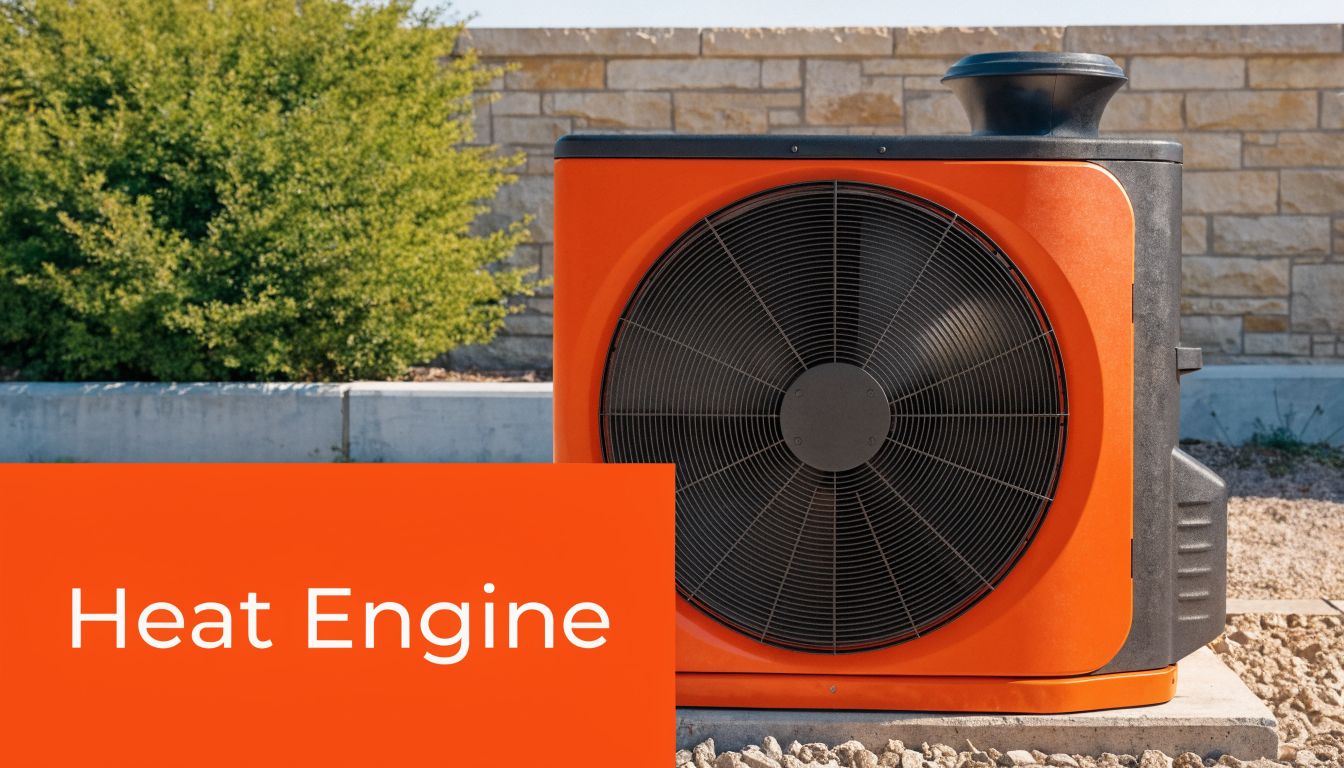
The Outdoor Unit Your Homes Heat Engine
Step outside on an August afternoon in Orlando. Your AC has been running for hours, the house still feels a little sticky, and the air around the outdoor unit feels hot. That outdoor cabinet is doing the hard job of carrying heat out of your home, even when Florida weather gives it very little help.
A central AC does not make cold air outdoors. The outdoor unit releases the heat your indoor equipment pulled from the house. If that heat cannot leave efficiently, you feel the symptoms indoors first. Longer run times, weak cooling during the late afternoon, and humidity that never quite settles down are all common clues.
The compressor is the heart
The compressor works like the heart of the system. It pumps refrigerant through the cooling cycle and raises its pressure so the heat collected inside your home can be released outside. It also has a big impact on how much electricity the system uses and how hard the whole unit has to work (Conejo Services).
Here is the plain-English version. The compressor squeezes refrigerant into a hot, high-pressure state. That sets up the next step, where the outdoor coil can shed that heat into the outside air.
When a compressor starts to struggle, homeowners rarely say, "I think my compressor is failing." They usually say the house will not catch up, the vents feel less cool than usual, or the electric bill jumped.
Symptoms of a struggling compressor
Watch for signs like:
- Long run times, especially in the afternoon
- Air from the vents that feels cool-ish instead of cold
- A system that turns on but never seems to satisfy the thermostat
- Higher utility bills without a clear reason
- Hard starting, loud buzzing, or breaker trips after storms or power surges
In Orlando, power fluctuations and heavy seasonal demand can be hard on compressors. This is not a DIY repair. If the unit is struggling to start, repeatedly tripping, or cooling poorly with good airflow inside, it is time to call Al-Air for testing.
The condenser coil is the radiator
The condenser coil works like a car radiator. It releases the heat your house no longer wants into the outdoor air.
That sounds simple until you picture the setting. In Central Florida, the system is often trying to dump indoor heat into outdoor air that is already hot and humid. If the coil is coated with dirt, grass clippings, cottonwood, or storm debris, heat transfer slows down. The AC can still run, but it loses efficiency and cooling performance.
Symptoms of a dirty or blocked condenser coil
A clogged coil often shows up as a slow decline, not a sudden shutdown.
You may notice:
- Cooling that feels weaker late in the day
- The outdoor unit running hot and sounding strained
- The house taking longer to reach the thermostat setting
- The system running longer after lawn work or a storm
- Humidity lingering indoors even though the AC keeps running
Homeowners can safely check the area around the unit and clear back plants, leaves, and stored items so air can move freely. If the fins look bent, packed with debris, or coated deep inside the cabinet, stop there and schedule service. Coil cleaning is simple in theory, but easy to do poorly without the right tools and approach.
Keep shrubs, mulch buildup, and yard debris away from the cabinet. The outdoor unit needs open airflow to release heat.
The condenser fan is the lungs
The condenser fan pulls air across the outdoor coil so that trapped heat can leave the system. If the compressor is the heart, the fan is a lot like the lungs. It keeps air moving so the outdoor unit can breathe off heat.
This part gives homeowners some of the clearest warning signs because you can often hear or see the problem from outside.
What fan trouble looks like
Common symptoms include:
- The top fan is not spinning
- The unit hums, but cooling drops fast
- Scraping, rattling, or wobbling sounds
- The system shuts off before the house feels cool
- Cooling gets much worse on very hot afternoons
Fan problems matter in Florida because long cooling cycles leave little room for error. A weak fan motor, damaged blade, or failed capacitor can cause the outdoor unit to overheat and shut down on safety controls. Debris from storms can also jam the fan guard or damage the blade.
What you can safely check outside
A few outdoor checks are safe and useful, as long as you do not remove panels or touch wiring.
- Look for clearance around the cabinet. Plants, fence panels, toys, and yard tools can block airflow.
- Check the coil surface. Visible dirt and debris on the fins can interfere with heat release.
- Listen during startup. Buzzing, hard-start sounds, grinding, or repeated clicking are all worth noting.
- Feel the air above the unit. During normal operation, the system should be blowing out warm to hot air.
These checks help you describe the problem clearly. They do not confirm the exact failed part.
When outdoor symptoms mean stop and call
Some symptoms call for professional service right away:
- The fan is not spinning
- The breaker keeps tripping
- The outdoor unit is humming loudly or struggling to start
- Cooling stays weak after you have already checked the thermostat and indoor filter
- Storm debris, bent fins, or visible coil damage showed up after severe weather
Outdoor-unit problems often start as comfort complaints before they become full breakdowns. In Orlando, that matters because long run times, high humidity, and summer heat can push a stressed system over the edge fast.
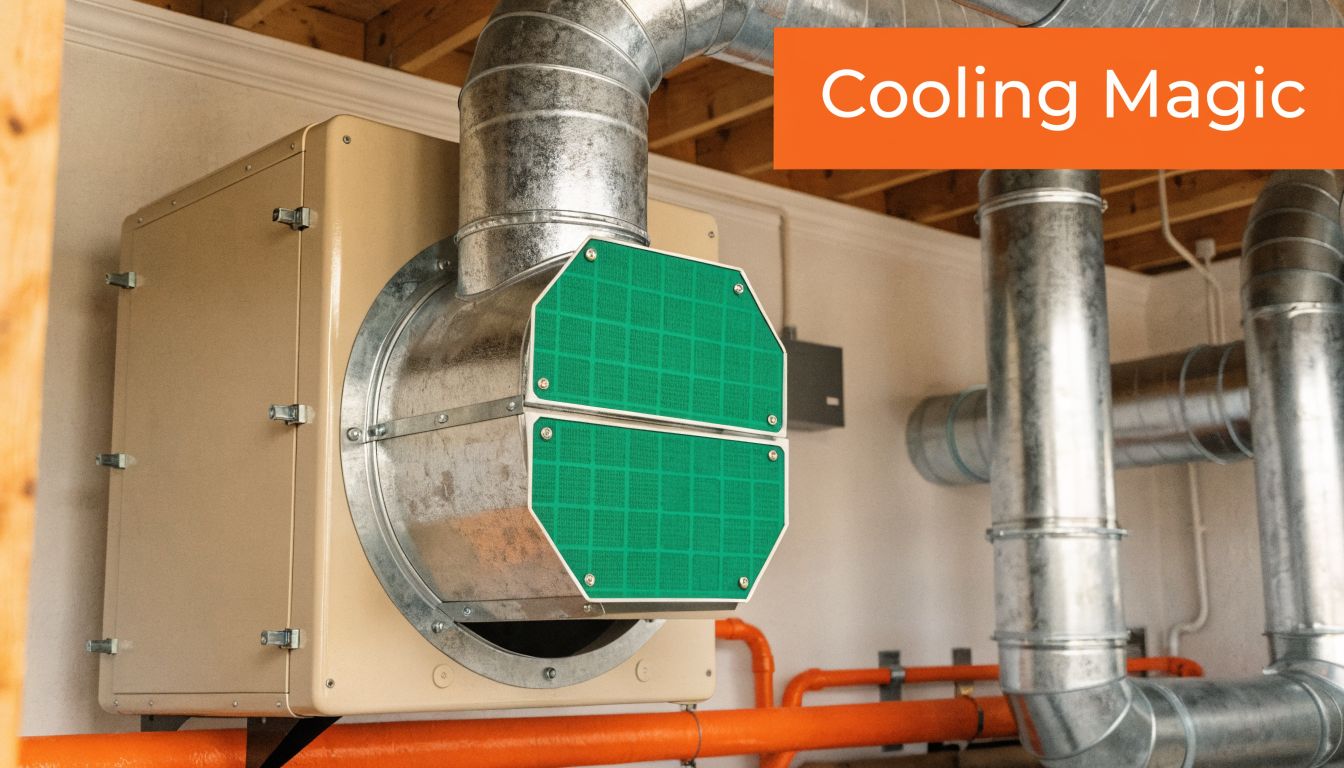
The Indoor Unit Where The Cooling Magic Happens
The indoor unit is where your AC grabs heat and humidity from the air inside your home.
That’s why indoor problems often feel personal fast. Bedrooms get muggy. Airflow drops. A hallway feels cool, but the living room still feels sticky.
The evaporator coil is the cold sponge
The evaporator coil sits inside, usually near the air handler.
A simple way to understand it is to imagine it as a cold, damp sponge. Warm indoor air passes across that cold coil. The coil absorbs heat, and it also pulls moisture from the air. That’s a big deal in Orlando, where comfort depends on humidity control as much as temperature.
When this part is doing its job well, the air feels cooler and drier.
What happens when the evaporator coil has trouble
Because the coil is so cold, airflow problems can lead to icing. High humidity makes that worse.
Watch for signs like:
- Weak airflow from vents
- Rooms that feel clammy
- Ice on refrigerant lines or near the indoor unit
- Water around the unit after ice melts
- A system that runs constantly but doesn’t cool evenly
A frozen evaporator coil is a symptom, not always the root cause. The cause could be restricted airflow, a dirty filter, or another issue in the cooling cycle.
The air handler and blower are the lungs
The air handler, especially the blower motor, moves air through the system.
I tell homeowners to think of this as the lungs of the house. The blower pulls air in through the return side, moves it across the evaporator coil, and sends conditioned air back out through the supply ducts.
If the lungs can’t move air, even a perfectly good cooling cycle won’t feel right in the house.
Common blower-related symptoms
Blower issues often show up as comfort imbalance.
You might notice:
- Some rooms cool, others don’t
- Very little air from supply vents
- A humming sound when the system tries to start
- The thermostat says cooling, but airflow feels weak
- Humidity hanging around indoors
That “hums but doesn’t start” complaint is one many homeowners describe vaguely. They know the system is trying. They just don’t know which part is failing. Sometimes that points to the blower side, sometimes to electrical components that support startup.
The expansion device creates the cold condition
The expansion valve or expansion device is one of the least understood parts of a central ac unit.
Its job is to create a controlled pressure drop in the refrigerant before it enters the evaporator coil. That pressure drop is critical because it puts the refrigerant into the right condition to absorb indoor heat. The expansion valve and condenser coil work in tandem, and in Florida’s 85 to 95°F summers, efficient heat exchange matters even more because outdoor conditions make the system work harder (Carrier).
If that device sticks or malfunctions, refrigerant flow gets thrown off. Then cooling quality drops fast.
What expansion device trouble can feel like
For a homeowner, the symptoms are usually indirect:
- Not enough cooling
- Short periods of cooling followed by poor performance
- A coil that may freeze
- A system that seems erratic rather than fully dead
Later in the cycle, the same refrigerant has to move back outdoors and release the heat it picked up.
This video gives a useful visual if you want to see how the indoor side and refrigerant cycle fit together.
One Florida issue homeowners shouldn’t ignore
The indoor unit also creates condensation as it removes moisture.
That’s normal. What’s not normal is water leaking where it shouldn’t. If you see moisture around the indoor unit, damp drywall nearby, or signs of overflow, don’t put that off. Water damage begins subtly and spreads further than commonly recognized.
A house can feel “kind of cool” while the indoor unit is already developing an airflow or drainage problem. Comfort issues are often the first warning, not the last.
The Connective Tissues and Brains of Your AC
A central AC isn’t just an outdoor box and an indoor box. The smaller connecting parts are what make the system act like one coordinated machine.
These are the pieces homeowners don’t always notice until something goes wrong. The refrigerant lines carry heat. The thermostat tells the system when to run. The drain line removes moisture. The filter protects the equipment from dirt buildup.
Refrigerant lines are the veins and arteries
The copper refrigerant lines connect the indoor and outdoor equipment.
You can think of them like the veins and arteries of the system. They carry refrigerant back and forth so heat can be collected indoors and released outdoors.
When these lines are damaged, lose insulation, or develop a leak, the AC can’t move heat the way it should. Homeowners usually don’t diagnose that by sight. They notice symptoms first, such as poor cooling, ice formation, or long cycles that never quite satisfy the thermostat.
The thermostat is the brain
The thermostat is the control center on the wall.
It senses room temperature and signals the system to cool when the indoor temperature rises, such as moving from 72°F to 73°F. Modern programmable or smart thermostats can cut energy costs by 10 to 15% by optimizing operation, and regular calibration can support up to 15% savings in system performance and energy use (TCM Heating, Cooling & Plumbing).
That makes the thermostat more than a simple on-off switch. It affects comfort, runtime, and how hard the rest of the system has to work.
Thermostat symptoms that confuse homeowners
These are common:
- The display is on, but the system isn’t responding
- The set temperature and room comfort don’t match
- The system turns on and off at odd times
- Someone changed settings without realizing it
- The fan is set differently than expected
Before assuming you need a major repair, it’s worth checking settings, schedule, and power to the thermostat.
The drain line and drain pan protect your home
As the indoor coil removes moisture, that water has to go somewhere.
The condensate drain line and drain pan carry that moisture away from the equipment. In Florida, where AC systems remove a lot of humidity, this matters more than many homeowners realize.
Clogs here don’t usually announce themselves with a loud noise. They show up as:
- Water near the indoor unit
- Musty smells
- Shutoffs triggered by a safety switch
- Stains around the equipment area
The air filter protects everything downstream
The air filter looks simple, but it has a big job.
It catches dust and debris before that dirt coats the indoor components. When the filter gets loaded up, airflow drops. Then comfort drops with it.
A dirty filter can make several other problems seem worse than they are. It can contribute to weak airflow, strain the blower, and increase the chance of coil icing.
If you only do one routine DIY task on your AC, make it checking the filter on a regular schedule.
Beyond the Basics Critical Electrical Components
A lot of homeowners assume AC problems are mechanical. Sometimes they are. But a surprising number of no-cool or no-start calls come down to electrical parts hidden inside the system.
That matters in Florida because power fluctuations and storm activity can be rough on equipment. Electrical components like capacitors and contactors fail 35% more often in high-use Florida markets due to summer power surges. Capacitors, which typically last 10 to 15 years, are responsible for up to 40% of “no-start” issues, and homeowners often mistake those faults for mechanical failure (AHS Home Matters).
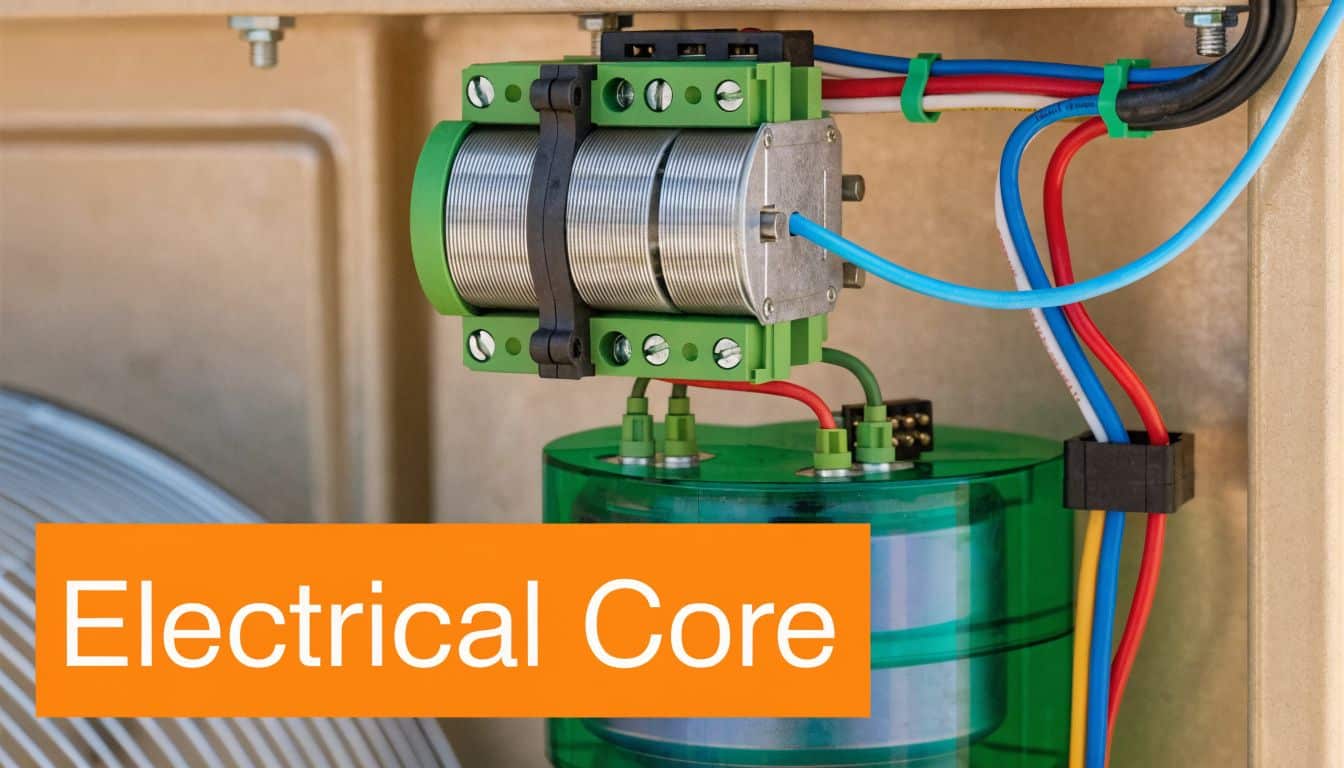
Capacitors help motors start
A capacitor stores and releases a burst of energy to help motors start and run.
When a capacitor weakens, the system may try to start but fail. That’s when homeowners often say, “It hums, but nothing happens.”
Possible symptoms include:
- Outdoor unit humming without starting
- Intermittent startup
- Fan or compressor struggling to kick on
- Cooling that works one day and not the next
Contactors act like heavy-duty switches
A contactor opens and closes the electrical path that powers major AC components.
If it fails, the thermostat may call for cooling, but the outdoor unit may not respond correctly. That can look like a major system failure when it’s really a control problem.
A bad contactor may show up as:
- Clicking without normal startup
- System not turning on at all
- Outdoor unit acting inconsistently
The blower motor crosses HVAC and electrical symptoms
The blower motor is one of those parts that can fool people.
If it has an electrical issue, the system may still seem partly alive. You may hear activity. The thermostat may look normal. But the house won’t get proper airflow.
That’s one reason electrical diagnosis matters. Warm air, no airflow, and startup trouble can overlap in ways that aren’t obvious from the homeowner side.
Why panel health matters too
Sometimes the AC issue isn’t only inside the unit. It can involve the home’s electrical infrastructure.
If your house has an older electrical setup, it helps to understand wider warning signs too. This guide to common Zinsco panel issues is useful background for homeowners trying to separate equipment trouble from panel-related safety concerns.
For HVAC-related electrical troubleshooting, panel checks, and related service needs, homeowners sometimes also look at licensed options like Al-Air’s electrical services.
Never open AC electrical compartments casually. Capacitors and contactors involve live power and stored energy. A wrong move can injure you or damage the equipment.
DIY Checks vs When to Call Al-Air in Orlando
The safest way to handle AC problems is to separate basic homeowner checks from issues that need tools, testing, or electrical and refrigerant work.
Here’s a practical quick-reference table first.
Quick Guide AC Part Functions and Failure Signs
| Component | Location | Primary Function | Common Failure Sign |
|---|---|---|---|
| Compressor | Outdoor unit | Pressurizes refrigerant to drive heat transfer | Long run times, poor cooling |
| Condenser coil | Outdoor unit | Releases heat outside | System struggles in afternoon heat |
| Condenser fan | Outdoor unit | Moves air across outdoor coil | Fan not spinning, hot unit |
| Evaporator coil | Indoor unit | Absorbs indoor heat and moisture | Ice, weak airflow, clammy rooms |
| Blower motor | Indoor unit | Pushes conditioned air through ducts | Little airflow, humming |
| Expansion device | Indoor unit area | Drops refrigerant pressure before evaporator | Inconsistent cooling |
| Thermostat | Interior wall | Controls system operation | Wrong cycling, no response |
| Air filter | Return or air handler | Protects system and maintain airflow | Weak airflow, reduced comfort |
| Drain line and pan | Indoor unit | Removes condensation | Water leaks, musty smells |
| Capacitor or contactor | Electrical compartments | Help motors start and switch power | Humming, clicking, no-start |
Safe checks you can do yourself
- Check the thermostat settings: Make sure it’s set to cool and the target temperature is below room temperature.
- Inspect the air filter: If it looks loaded with dust, replace it.
- Look at the outdoor unit: Remove leaves, grass clippings, and debris crowding the cabinet.
- Notice the drain area: If you see minor visible blockage signs, don’t force tools into the line. A simple visual check is enough for most homeowners.
- Listen and observe: Note whether the indoor blower runs, whether the outdoor fan spins, and whether the air feels cool or just moving.
Call a pro when you notice these symptoms
- Breaker trips repeatedly
- Grinding, squealing, or harsh buzzing
- Ice on the system
- Water leaking around the indoor unit
- The system hums but won’t start
- The outdoor unit runs but the house won’t cool
- You suspect an electrical or refrigerant issue
For routine tune-ups and preventive inspections before peak cooling season, homeowners often schedule service through options such as AC maintenance in Orlando.
The goal isn’t to avoid professional help at all costs. It’s to do the safe basics, catch problems early, and avoid turning a smaller issue into a bigger one.
Frequently Asked Questions About Central AC Units
How often should a central AC be professionally maintained in Florida
At least annually is the practical baseline. In Florida, that yearly visit matters because long cooling seasons, humidity, and outdoor debris put steady stress on the system.
What’s the difference between refrigerant and Freon
Refrigerant is the general term for the cooling substance that moves heat through the system. Freon is a brand name that people often use generically.
Is a noisy outdoor unit always a serious problem
Not always. Normal operation includes fan noise and the sound of the system cycling. But a new noise, especially grinding, squealing, hard buzzing, or repeated failed starts, should be checked quickly.
Can a thermostat really affect my power bill
Yes. Smart or programmable thermostats can reduce energy costs by 10 to 15% when used correctly, as noted earlier in the article.
Why does my house feel cool but still humid
That usually points to a system performance issue rather than a comfort preference issue. Weak airflow, coil problems, drainage trouble, or incorrect cycling can all leave the house feeling cool but not dry enough.
If your AC is running longer, blowing warm air, leaking water, or showing signs of electrical trouble, Al-Air Corporation handles residential HVAC and electrical service across Greater Orlando. They provide troubleshooting, maintenance, repairs, system replacements, and round-the-clock help for urgent breakdowns, with free estimates before work begins.