
Your thermostat says the system is running. The vents are moving air. The house still feels sticky, warm, and wrong.
That is a common Orlando call. A homeowner notices the AC never seems to catch up in the afternoon. Maybe one room gets cool while the rest of the house stays muggy. Maybe the utility bill jumps, or a puddle shows up near the indoor unit, or the copper line starts icing over. The system is on, but comfort is gone.
A lot of people assume the outdoor unit is the whole air conditioner. In reality, many cooling problems start inside, at the evaporator coil. That is the part that absorbs heat and moisture from your indoor air. When it leaks, corrodes, freezes, or gets mismatched with the rest of the system, the symptoms can look confusing. Weak cooling. Long run times. Humidity problems. Repeat service calls.
The hard part is not just finding the failed part. It is making the right money decision after you find it.
For some homes, ac coil replacement is the right repair. For others, especially aging systems using R-410A, replacing only the coil can turn into the expensive choice a year or two later. That is the trap many homeowners do not see coming until they have already paid for the repair.
That Familiar Feeling Your AC Is On But Your Home Is Not Cool
In Central Florida, this usually starts the same way. The AC runs most of the day, but the house still feels damp and heavy. You lower the thermostat another degree. Nothing really changes.
Then the small clues stack up.
The air from the vents is not as cold as it should be. Bedrooms drift warm by late afternoon. The indoor unit may start making a faint hiss, or you spot water where it should not be. Some homeowners only notice because they wake up sweating while the system is still humming along.
What is often happening inside the system
When I walk into a home with those symptoms, I pay close attention to the indoor coil. The evaporator coil is where your system pulls heat and humidity out of the air. If that coil is leaking refrigerant, icing over, or corroded, the system can run without delivering the cooling you expect.
That is why this problem feels so frustrating. From the homeowner’s side, the AC seems alive. From the equipment side, one key component is no longer doing its job.
The questions homeowners usually need answered
Homeowners typically are not asking for a refrigeration lesson. They want practical answers:
- What failed: Is it really the coil, or something else causing similar symptoms?
- What does it cost: Is this a manageable repair or the beginning of a larger replacement decision?
- How long will it take: Can this be fixed today, or is the home going to be hot for several more days?
- Is repair worth it: If the system is older, does replacing only the coil make financial sense?
A bad coil can make a working AC feel broken in several different ways at once. Poor cooling, high humidity, icing, and rising power use often show up together.
In Orlando, that decision gets more serious because heat and humidity do not give you much margin for error. A coil problem is not just an inconvenience. It affects comfort, indoor moisture, and how hard every other AC component has to work.
What Is an AC Evaporator Coil and Why It Matters
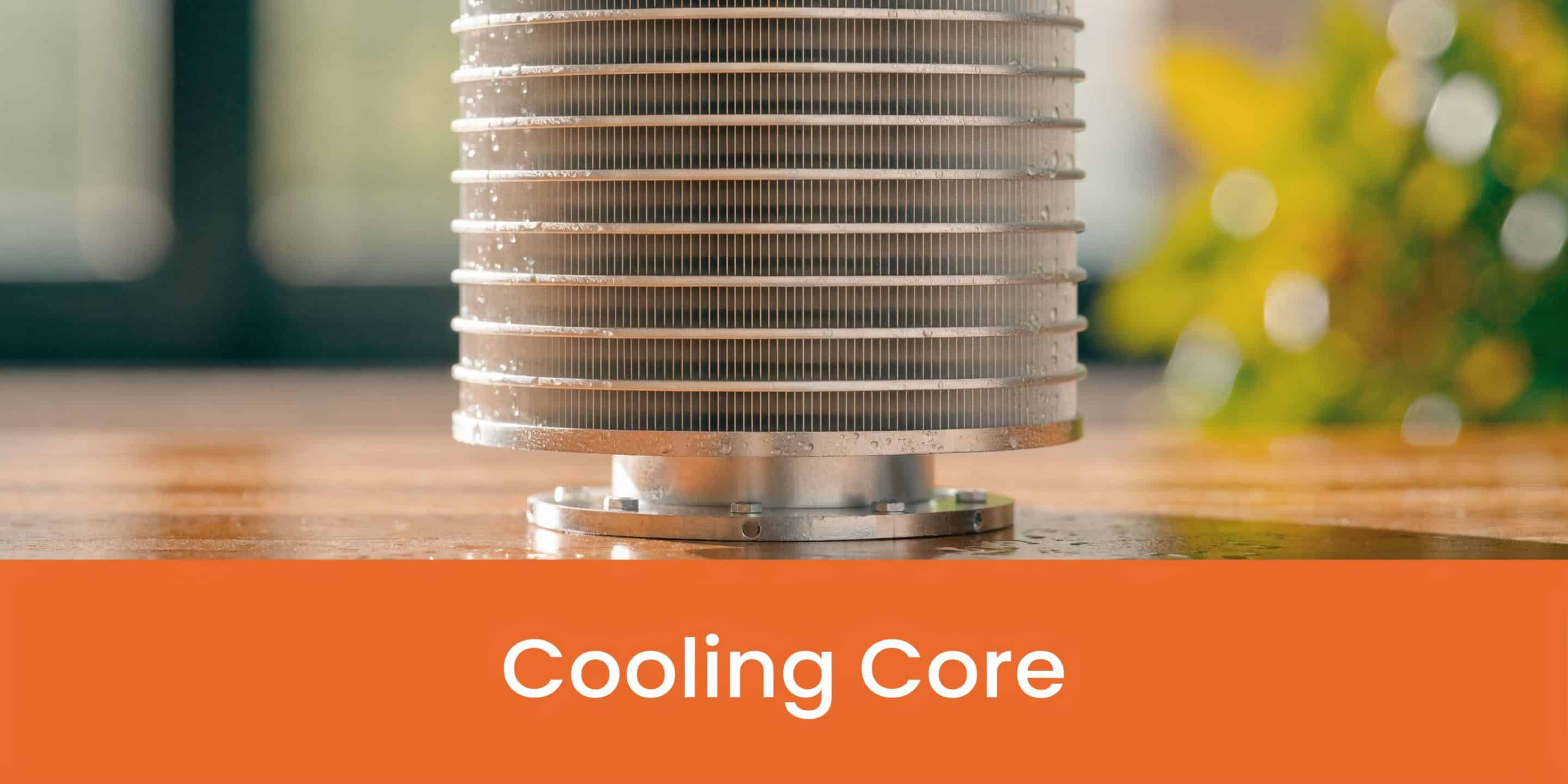
Think about a cold drink can on a humid Florida day. Moisture gathers on the outside because warm, humid air hits a cold surface. Your evaporator coil works on a similar idea, except it is doing that job inside your air handler while the blower pushes household air across it.
The coil gets cold because refrigerant moves through it. As warm indoor air passes over that cold coil, heat is absorbed and moisture is pulled from the air. That is how your home gets cooler and less humid at the same time.
Where the coil sits and what it works with
In most homes, the evaporator coil is inside the indoor cabinet. That may be an air handler or a furnace setup, depending on the system. It does not work alone.
Your cooling system is a matched pair. The indoor evaporator coil and the outdoor condenser unit are designed to work together with the correct refrigerant, metering components, and airflow. When one side is wrong, performance suffers fast.
That is why coil replacement is not just swapping out a metal part. A technician has to confirm the coil matches the cabinet, refrigerant, and capacity of the existing system.
Why matching matters more than homeowners realize
There are common coil styles, including A-coils and N-coils. The shape affects how the coil fits inside the equipment and how air moves through it. Size matters too. Height, width, connection points, and cabinet fit all have to line up.
According to this evaporator coil replacement guide from Stiles Heating & Cooling, precise matching of coil type and dimensions is critical, and mismatches can reduce capacity by up to 20-30%.
That reduction shows up in ways homeowners feel right away:
- Less cooling output: The system runs but does not remove heat effectively.
- Poor humidity control: Air feels clammy even when temperature looks acceptable.
- Airflow problems: A mismatch can restrict flow through the cabinet.
- Stress on the system: Improper refrigerant flow and heat transfer create performance problems that ripple outward.
What the coil is made of
Evaporator coils are built from tubing and fins. You will see copper tubing in many designs, along with aluminum fins that expand the surface area for heat transfer. In humid climates, construction details matter because corrosion resistance matters.
A homeowner does not need to memorize tube diameters or fin spacing. But it helps to know this much: the coil is a precision heat-transfer component, not a generic box. Small specification errors can turn a costly repair into a disappointing one.
If a contractor talks about “making any coil work,” ask harder questions. Proper fit and system match matter as much as the install itself.
When this part fails, the whole cooling experience changes. The home gets warmer, more humid, and more expensive to cool. That is why ac coil replacement is never just about replacing what leaked. It is about restoring the system’s ability to cool correctly.
Top Signs Your Evaporator Coil Is Failing
A failing coil usually gives warnings before it quits completely. Some are obvious. Others get brushed off for weeks because the AC still runs.
The trouble is that homeowners often connect these symptoms to the thermostat, the outdoor unit, or dirty ducts. The indoor coil gets missed until the problem gets expensive.
Signs you can notice without opening the system
Here are the symptoms I tell homeowners to take seriously:
- Warm air from the vents: The system may be running, but the coil is not absorbing enough heat.
- Ice on the refrigerant line or indoor unit: Low refrigerant or airflow trouble can cause the coil to freeze.
- Hissing or bubbling sounds: Those sounds can point to refrigerant escaping from a leaking coil.
- Weak airflow: A frozen coil or airflow restriction can make some rooms feel starved for air.
- Water near the indoor unit: Ice can melt, or drainage can be disrupted when the coil is not operating normally.
- Long run times with little comfort improvement: The AC may run for hours without bringing the house where it should be.
A single symptom does not prove coil failure. A cluster of them often points in that direction.
Why Florida systems run into this sooner
Coils do not last forever. According to CPI Service’s coil replacement cost article, evaporator coils typically require replacement every 10-15 years, but in humid regions like Florida, corrosion can push that timeline earlier, often into the 8-12 year range. The same source notes that units over 10 years old face 2-3x higher coil failure rates.
That lines up with what homeowners experience here. Humidity, salt exposure in some areas, and maintenance lapses speed up coil wear. The indoor side of the system lives in a wet environment by design. Once corrosion starts, pinhole leaks can follow.
Symptoms that are easy to misread
Some coil problems look like other problems.
A frozen line can make people think the system is “cooling too much.” It is not. Ice usually means the system is failing to move heat properly. A puddle at the air handler can look like a drain issue. Sometimes it is, but sometimes that water is from ice buildup caused by a failing coil.
Here is a quick homeowner check:
| Symptom | What it may point to |
|---|---|
| AC runs constantly | Reduced heat transfer at the coil |
| Indoor air feels sticky | Coil is not removing moisture effectively |
| Ice on copper line | Refrigerant or airflow problem affecting the coil |
| Hissing near indoor unit | Possible refrigerant leak |
| Water around air handler | Melt-off from icing or condensate issue |
Turn the system off if you see heavy ice buildup. Letting it run can strain the compressor and complicate diagnosis.
What not to do
Do not keep dropping the thermostat and hoping the system catches up. That usually just extends run time and adds stress.
Do not assume a refrigerant top-off solves it either. If the coil is leaking, adding refrigerant without addressing the leak turns into a repeat visit, not a repair.
A proper diagnosis matters because several symptoms overlap. But when an older Florida system shows weak cooling, ice, moisture, and long run times together, the evaporator coil belongs high on the suspect list.
Repair or Replace The Critical HVAC Decision
Homeowners can lose money here.
If the technician confirms the evaporator coil has failed, the first instinct is usually simple. Replace the bad part, restore cooling, move on. That logic works on some systems. It does not work on all of them.
The risk shows up when the system is older, and it gets more serious when refrigerant compatibility becomes part of the decision.
When a coil-only repair still makes sense
If the system is relatively young, the parts are properly matched, and the equipment is otherwise in solid condition, ac coil replacement can be reasonable. A warranty can make that even more attractive because part of the cost may be covered.
A coil-only repair is usually easier to defend when:
- the system has not had a pattern of recent breakdowns
- the outdoor unit is still in good operating shape
- the refrigerant and replacement coil match without workarounds
- the homeowner plans to stay put but wants to delay full capital spending for valid reasons
This is the narrow version of the story frequently heard.
The money trap on aging systems
The bigger problem starts when a home has an older system and the failed coil becomes the latest item on a growing repair list.
American Standard warns that replacing only the coil on an older system can create a SEER2 or refrigerant mismatch, leading to “decreased energy efficiency, high energy bills, frequent repairs, premature failure, and reduced comfort” in its discussion of whether to replace the evaporator coil or the full cooling system.
That warning matters because homeowners often compare only the first invoice.
They see a coil replacement price and a full system replacement price. The repair looks cheaper, so the repair wins. However, the true comparison is not today’s bill against today’s bill. It is total cost from this point forward.
A new indoor coil attached to an aging outdoor unit can leave you with:
- a system that still does not deliver the comfort you expected
- power bills that stay frustratingly high
- more stress on the outdoor equipment
- another major breakdown before the repair has had time to feel worthwhile
Why R-410A changes the timing
This is the part many homeowners have not heard yet.
The current refrigerant transition is changing what makes sense. American Standard notes that R-410A is being phased out and that “compatible evaporator coils may be harder to come by” in its guidance on the same decision above. That means a homeowner with an aging R-410A system is not just deciding whether to fix a leak. They are deciding whether to keep investing in a platform that is getting harder to support.
If the indoor coil fails now and you replace only that component, you may still face another expensive decision soon if the outdoor side fails or if compatible parts become less practical to source.
A more practical way to decide
I advise homeowners to stop asking only, “Can this be repaired?”
Ask these instead:
- How old is the complete system
- Has this system already needed multiple repairs
- Will the new coil be a true match for the condenser and refrigerant
- If I spend this money now, what is the next likely failure
- Will this repair leave me on borrowed time with obsolete or harder-to-source components
If your system is clearly aging and the answers are shaky, full replacement often becomes the smarter financial move. Not because replacing a coil is impossible. Because replacing a coil can be the wrong place to keep spending money.
For homeowners weighing that bigger decision, reviewing examples of residential HVAC swap-outs helps frame what a matched replacement looks like.
On older equipment, the cheapest invoice is not always the lowest-cost decision. A coil-only repair can buy time, but sometimes it buys expensive time.
What works and what does not
What works: matching indoor and outdoor equipment, planning around refrigerant reality, and looking at repair history before approving a major part replacement.
What does not: treating every failed coil like an isolated event.
If the system is still sound, replace the coil and move forward. If the coil failure is really the warning sign that the entire system is at the end of its practical life, forcing a partial repair usually delays the right decision while adding more cost.
The AC Coil Replacement Process Step by Step
Service day gets less stressful once you know what the crew is doing inside the air handler and at the outdoor unit.
A coil replacement is sealed-system work. That means the job is not finished when the old coil comes out and the new one goes in. The refrigerant circuit has to be opened correctly, cleaned up, sealed back up, and tested under the right conditions. If any of those steps get rushed, the new coil can inherit problems on day one.

The job starts before the first panel comes off
A good technician confirms the coil has failed. Low airflow, a restriction, a metering device problem, or drainage issues can look like a bad evaporator coil to a homeowner. Replacing the coil without proving the failure is how people end up paying for the wrong repair.
Once the diagnosis is solid, the next question is parts compatibility. On an older R-410A system, that step matters more than many homeowners realize. The replacement coil has to match the equipment and refrigerant requirements closely enough to keep the system operating properly. If the rest of the system is already near the end of its service life, this is also the point where a contractor should be honest about whether a coil-only repair makes financial sense.
What happens on replacement day
Most residential coil replacements follow a sequence like this:
-
Shut off power and protect the work area
The technician isolates power, opens access panels, and sets up the workspace around the indoor unit. -
Recover refrigerant properly
The refrigerant is removed from the system using recovery equipment before any sealed-system connections are opened. -
Remove the failed coil
The cabinet is opened, the old coil is disconnected, and the drain setup and surrounding components are checked for damage or buildup. -
Install the new coil and reconnect refrigerant lines
Fit matters here. A poorly aligned coil or sloppy brazing job can create leaks, restriction, or airflow problems. -
Pressure test and evacuate the system
The technician checks for leaks, then pulls a deep vacuum to remove air and moisture from the refrigerant circuit. -
Recharge the system and verify performance
The system is brought back into operation and checked for cooling performance, pressures, temperature split, airflow, and drainage.
That is the basic process. Access can change the pace a lot.
In the field, I see simple replacements that move along cleanly and others that turn into half a day because the cabinet is tight, the coil is an odd configuration, or the replacement part needs adjustment to fit correctly. If the system is older, extra time often goes into confirming the new coil will work with what is still in place. That is one reason the lowest quote is not always the best value.
Here is a useful walk-through of the kind of work homeowners are paying for:
Why workmanship matters after the coil is installed
A new coil can still disappoint if the install quality is poor.
Common problems after a rushed replacement include refrigerant leaks at brazed joints, water blow-off or drainage issues, missing insulation, restricted airflow, and a system that runs but never cools the house the way it should. Those are not small details. They affect comfort, efficiency, and how long the repair holds up.
Ask the contractor whether they will pressure test, evacuate, and verify operation after installation. Those are standard parts of doing the job correctly.
What to expect inside your home
Most of the activity happens at the indoor unit, with additional work outside for refrigerant recovery and final testing. You may hear vacuum pumps, recovery equipment, gauges, and brazing tools. You should also expect a final checkout period after the physical installation is done.
A clean finish matters too. Panels should be secured, insulation should be put back where it belongs, and the drain line should be left working properly.
For Orlando homeowners with an aging R-410A system, that final startup is also the moment where the bigger trade-off becomes real. If the system cools again, the repair may still have bought only limited time on equipment that is getting harder and more expensive to support. That does not make coil replacement wrong. It means the process should be done carefully, and the decision behind it should be made with open eyes.
Decoding AC Coil Replacement Costs in Orlando
A coil quote can look reasonable at first and still turn into the expensive choice.
That happens a lot with older R-410A systems. The homeowner approves a lower upfront repair, the system starts cooling again, and then another major part fails on equipment that is already aging into a harder-to-support refrigerant category. The original quote was not wrong. It just did not answer the bigger cost question.

Why coil replacement prices vary so much
Two Orlando homes can need the same basic repair and end up with very different invoices. Brand, coil availability, cabinet design, labor time, refrigerant handling, warranty coverage, and system match all affect the final number.
The useful way to read a quote is to break it into four parts. Coil cost. Labor. Refrigerant-related cost. The remaining life of the system you are putting that money into.
What usually affects the total
Here are the factors that change the price the most:
- Warranty status: A manufacturer parts warranty can reduce the out-of-pocket hit, but labor, refrigerant, and installation materials may still be your responsibility.
- Correct coil match: The replacement coil has to match the equipment properly. If it does not, the lower price on paper can lead to poor performance and more service calls.
- Labor difficulty: Tight attic access, older air handlers, damaged drain components, or corroded connections add time.
- Refrigerant condition: If refrigerant has to be recovered, replaced, or carefully managed because of system condition, the invoice climbs.
- System age: An older unit changes the economics fast, especially if other parts are near the end of their service life.
A simple way to judge whether the quote makes sense
| Cost factor | Why it matters |
|---|---|
| Coil part | Varies by model, size, and availability |
| Labor | Changes with access, install difficulty, and time on site |
| Warranty | May lower part cost, but rarely removes all charges |
| Refrigerant-related work | Can add meaningful cost on an older or leaking system |
| System age | Tells you whether the repair is likely to buy time or delay a larger expense |
The R-410A trap many homeowners miss
This is the part I tell Orlando homeowners to slow down and consider.
If your system is already older and uses R-410A, a coil replacement can become a financial trap. You spend a substantial amount to replace one major component, but the condenser, compressor, blower motor, control board, or metering device is still the same age it was the day before. If one of those parts fails next, the money you put into the coil does not disappear, but it becomes harder to justify.
The refrigerant situation matters too. As R-410A equipment ages and the industry shifts toward newer refrigerants, repair decisions on older systems get less forgiving. Parts compatibility, long-term support, and future repair costs all deserve a straight answer before approving the job.
That does not mean every R-410A coil replacement is a mistake. On a younger, otherwise sound system, it can still be the right call. On an aging system, full replacement often gives the cleaner long-term outcome, even when the first quote is higher.
How to read a low quote without getting burned
A cheap number is not automatically a good number.
Ask what is included. Is the quoted coil the correct match for your equipment? Does the price account for refrigerant handling and startup testing? Is there any discussion of what happens if the old outdoor unit or another indoor component fails soon after?
For homeowners comparing repair spending to longer-term operating costs, this guide to Florida home cooling costs and efficiency decisions helps put the monthly side of the decision in context.
The better question is not whether you can replace the coil. It is whether replacing the coil is the smartest place to put money into this system right now.
Start with the return on the repair
Ask one question first. What does this repair realistically buy you?
If the answer is several dependable years on a properly matched system in otherwise good condition, coil replacement can make sense. If the answer is limited extra time on an older R-410A unit with rising risk and uncertain support costs, a full system replacement may be the less expensive decision over the next few years.
How to Choose the Right Orlando HVAC Contractor
A coil diagnosis is only as good as the person making it. This is one of those jobs where the wrong contractor can cost you twice. First on the invoice, then on the follow-up problems.
You do not need a flashy sales pitch. You need a company that can diagnose correctly, explain options clearly, and install or replace equipment without cutting corners.
What to verify before you approve the job
Use a short checklist.
- Licensing and insurance: Make sure the company is properly credentialed to handle HVAC work in Florida.
- Clear diagnosis: Ask what confirmed the coil failure. A trustworthy contractor should explain the findings in plain language.
- Written scope: You want to know what parts, labor, testing, and refrigerant handling are included.
- Real communication: If the system is old, they should discuss repair versus replacement candidly, not just push the biggest ticket.
- Reputation in your area: Read local reviews with an eye toward punctuality, follow-through, and warranty support.
Questions worth asking on the phone
Some questions reveal a lot fast.
Ask whether they check coil match before ordering parts. Ask whether they pressure test and verify operation after the install. Ask how they handle older systems where refrigerant compatibility is a concern.
If the answers sound vague, keep looking.
Good contractors explain trade-offs
The best HVAC companies do not treat every home the same. A landlord trying to stabilize a rental has different priorities than a homeowner planning to stay for years. A seller preparing for a listing needs different advice than a family dealing with a weekend failure in July.
That is why comparing local companies carefully matters. This guide to how to compare air conditioning companies in Orlando in 2026 is a practical starting point for evaluating your options.
Signs you are dealing with a pro
A good contractor usually does a few things consistently:
- arrives when promised or communicates clearly about delays
- gives options instead of pressure
- explains whether a coil-only repair is smart or shortsighted
- provides a clean written estimate before work begins
- treats the home with respect during and after the job
That matters because ac coil replacement sits right at the intersection of technical work and financial judgment. You are not just hiring someone to braze a coil in place. You are hiring someone to tell you whether that repair makes sense.
Frequently Asked Questions About AC Coils
What is formicary corrosion
It is a type of tiny corrosion damage that can create pinhole leaks in the coil over time. In humid environments, material choice matters. According to Precision Coils’ specifications resource, evaporator coil fin density and tube wall thickness affect efficiency and corrosion resistance, and all-aluminum coils can last longer in 70%+ RH environments like Florida because they resist formicary corrosion better than copper-aluminum hybrids.
Can a technician install a different brand of coil
Sometimes a replacement option exists, but “different brand” is not the primary question. The pertinent question is whether the coil is a proper match for the cabinet, capacity, and refrigerant setup. If the match is wrong, comfort and efficiency can suffer.
How does maintenance help prevent coil failure
Maintenance helps by keeping airflow healthy and keeping the coil cleaner. A clogged filter, neglected drain, or dirty coil forces the system to work harder and can contribute to icing, moisture problems, and shorter equipment life.
Should I keep repairing an older system
If the system is getting older and major parts are starting to fail, look at the whole picture, not just the current repair. A single repair can be reasonable. A pattern of expensive repairs usually means the system is telling you where it is headed.
If your AC is running but your home still is not cooling the way it should, Al-Air Corporation can help you sort out whether an ac coil replacement makes sense or whether a full system upgrade is the better long-term call. Their certified team serves Greater Orlando with clear estimates, honest recommendations, and round-the-clock support when cooling problems cannot wait.