
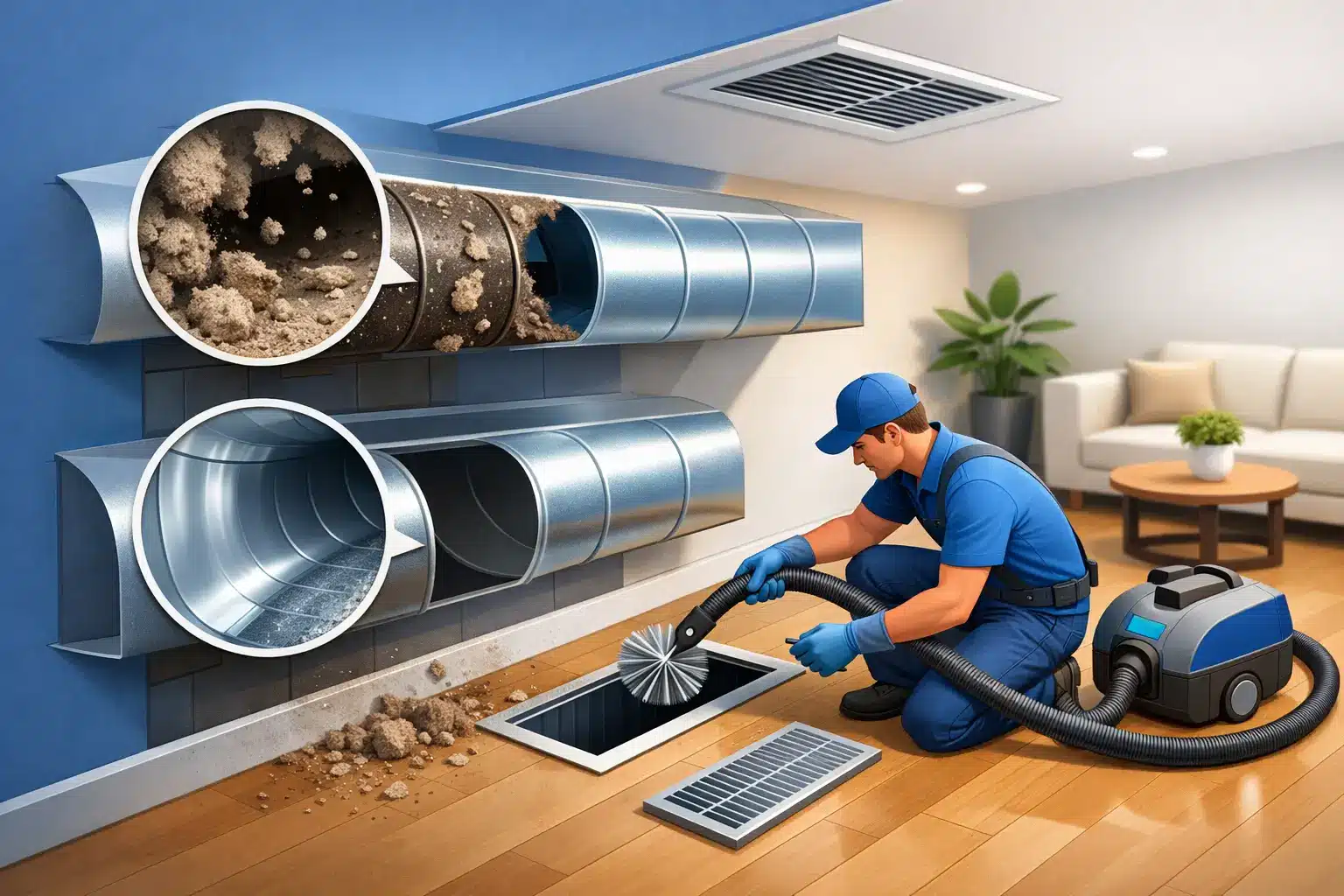
Your AC may be keeping the house cool, but that does not automatically mean the air moving through it is as clean as it should be. Homeowners often ask how often to clean air ducts, especially after a long Florida summer of closed windows, heavy AC use, and high humidity. The practical answer is usually every three to five years, but your home, health concerns, pets, and recent events can move that schedule up.
Duct cleaning is not a service you need to book on a fixed annual calendar just because someone says so. It should solve a real issue: visible buildup, unusual odors, airflow concerns, post-renovation dust, or a system that has been working overtime in a home with pets or allergies. The goal is cleaner air circulation and a cleaner HVAC system, not paying for work your home does not need.
How Often Should You Clean Air Ducts in Florida?
For most Central Florida and Tampa-area homes, professional air duct cleaning every three to five years is a sensible baseline. Florida homes put serious miles on their cooling systems. AC units often run for much of the year, pulling indoor air through return vents and ductwork day after day.
That said, a newer, well-maintained home with quality filtration may go longer. A busy household with two dogs, shedding pets, smokers, allergies, or a recent remodeling project may benefit from cleaning closer to every two to three years. There is no one-size-fits-all answer, and a trustworthy contractor should not pretend otherwise.
The condition of your HVAC system matters too. Regular filter changes and preventive maintenance reduce the amount of dust and debris that can travel through the system. They do not eliminate it entirely, but they can keep ductwork cleaner for longer.
Signs Your Ducts May Need Cleaning Sooner
You do not have to wait for a three-year mark if your home is giving you clear signals. Start by checking the supply and return vents you can safely see. A little surface dust is normal. Thick buildup, dark debris, or material blowing out when the system starts is not something to ignore.
Pay attention to changes that affect daily comfort. A stale or musty smell when the AC turns on, more dust settling around the home than usual, and allergy symptoms that seem worse indoors can all justify a closer look. These symptoms do not automatically prove the ducts are the problem – dirty filters, humidity issues, drain problems, or an aging AC system can create similar complaints – but they are worth investigating.
You should also consider duct cleaning after a major event in the home. Drywall sanding, flooring removal, attic work, pest activity, smoke exposure, water damage, or a move into a previously occupied home can leave debris behind that ordinary housekeeping will not reach.
Here are situations where cleaning sooner than the standard schedule often makes sense:
- You recently completed a renovation that created drywall, sawdust, or insulation debris.
- Pets shed heavily, or several pets live in the home.
- Someone in the household has significant allergies, asthma, or sensitivity to airborne dust.
- You have seen evidence of pests, nesting material, or insect activity near vents or in attic ductwork.
- A technician finds visible contamination, damaged duct insulation, or moisture-related concerns during an HVAC inspection.
What Duct Cleaning Can and Cannot Fix
A proper duct cleaning removes accumulated dust, loose debris, pet hair, and other contaminants from accessible ductwork, vents, and system components as appropriate. It can be a worthwhile part of improving indoor air quality, particularly when there is visible buildup or a specific trigger such as construction dust.
But it is not a cure-all. Cleaning ducts will not fix rooms that are always too hot, a weak blower motor, leaking duct connections, an undersized AC system, or a clogged condensate drain. It also will not solve mold concerns if the underlying moisture source remains active. In Florida, moisture control is the real issue behind many musty-air complaints.
If you smell mildew when the system starts, the right next step may involve checking the air handler, evaporator coil, drain line, insulation, duct leakage, or indoor humidity level. A company that handles the full HVAC picture can identify the actual cause instead of selling duct cleaning as the answer to every comfort problem.
Why Florida Homes Need a Practical Approach
High humidity changes the conversation. Dust alone is one thing. Dust combined with moisture can create conditions where odors, biological growth, and insulation damage become more likely. That does not mean every Florida home has a duct problem. It means small HVAC issues can become bigger ones when they are left alone through months of heavy operation.
Keep the system on a maintenance plan, change filters on schedule, and make sure the drain system is doing its job. Most standard one-inch filters need replacement every one to three months, depending on the filter type, household activity, and pets. Thicker media filters can last longer, but follow the manufacturer’s guidance and check them regularly.
A filter that is packed with dust restricts airflow. That can make your system work harder, reduce comfort, and contribute to more particles circulating through the home. Replacing filters is inexpensive compared with an avoidable repair or a shortened equipment lifespan.
Choosing a Duct Cleaning Company Without the Runaround
Air duct cleaning has a reputation for aggressive low-price offers that grow once a crew arrives. Be cautious with deals that sound too good to be true or companies that cannot explain what is included. You deserve a clear scope of work before anyone starts.
Ask whether the service includes the supply and return ducts, registers, grilles, and relevant HVAC components. Ask how the crew contains debris during cleaning and whether they will show you what they found. A professional should be willing to explain the condition of the ductwork in plain language, not pressure you into extras you did not request.
It is also smart to ask about licensing, insurance, and experience with Florida HVAC systems. If an inspection reveals a disconnected duct, damaged insulation, electrical concern, or AC performance issue, you do not want a chain of referrals and separate appointments. Working with one accountable local contractor can save time and reduce confusion.
Al-Air helps homeowners address duct cleaning concerns alongside the HVAC maintenance, repair, and electrical work that may be connected to the problem. No handoffs, no vague answers, and no guessing at what is affecting your comfort.
A Simple Schedule That Works for Most Homes
If your home has no unusual dust, odors, construction activity, pests, or indoor air concerns, use the three-to-five-year guideline and focus on regular HVAC maintenance in between. Check vents visually when changing filters, and mention any odor or airflow changes during your next service visit.
Move the schedule forward if the home has high pet activity, allergy concerns, a remodeling project, or visible debris. And if you see moisture, suspected mold, damaged ductwork, or recurring musty odors, do not assume cleaning alone will handle it. Get the system inspected so the source of the problem can be addressed.
Clean ducts are most valuable when they are part of a well-maintained home comfort system. Keep filters fresh, keep humidity under control, and act on warning signs before a small air-quality concern turns into a bigger HVAC repair.